Resource bank

Planning to teach a lesson or unit on migration, immigration, emigration, multiculturalism or cultural diversity? Looking for good resources to support you? Short on time? Overwhelmed by the amount available out there and reluctant to start from scratch? We are here to help! We have searched widely and selected some of the best resources and useful websites on these themes. Use our simple search boxes to locate the right resource for you and your pupils. Please review any you’ve used and email us to recommend any others at: liberty@migrationmuseum.org.

Age Range
Subject / topic
  • Teaching Migration History Toolkit

    Produced byMigration Museum & British Library
    SubjectHistory
    Age rangeKS3 (ages 11–14), KS4 (ages 14–16), KS5 (ages 16–18)
    SummaryThis toolkit, created by the Migration Museum and British Library, practical guidance about how to approach teaching migration history sensitively, with primary source examples.       Read more
    DescriptionThe Migration Museum and British Library learning teams have collaborated to produce this toolkit. Developed with the help of teachers, it offers practical guidance about how to approach teaching migration history sensitively and how to develop practice that is underpinned by sound pedagogy. The resource includes primary source material from the British Library's collection and gives advice from the Migration Museum on how to approach teaching migration history with care. For more migration history sources, animations and timelines please follow this link: https://padlet.com/discovering_historical_sources/teaching-migration-history-toolkit-teaching-resources-h1czojxv68xgdxgqResource
  • How To Have Well Informed Conversations About Asylum

    Produced byCity of Sanctuary
    SubjectCitizenship, English, Form time, Geography, History, Literacy, Media, PSHE
    Age rangeKS1 (ages 5–7), KS2 (ages 7–11), KS3 (ages 11–14), KS4 (ages 14–16), KS5 (ages 16–18)
    SummaryThis online resource answers many of the questions people have about refugees and those seeking sanctuary, helping to combat common misconceptions. Read more
    DescriptionTalking about the asylum process can be tough. Entrenched political scapegoating and the divisive nature of culture wars means the truth is often twisted or lost entirely. Talking about it is tough, but it is also vital. If we are to build a fairer, kinder asylum system, we the quiet majority need to break the silence and speak up. To help you with these courageous conversations, City of Sanctuary are here to set the record straight…Resource
  • How have migrant owned businesses shaped modern Britain? KS3 Schools Resource

    Produced byEmily Marsh
    SubjectCitizenship, History, PSHE
    Age rangeKS3 (ages 11–14)
    SummaryThese resources accompany the Migration Museum’s Taking Care of Business exhibition. It uses stories of people who have migrated to Britain and set up their own successful businesses. Students can explore these stories through interviews and videos. It includes a powerpoint presentation, teacher guide and student booklet.          Read more
    DescriptionThese resources give an overview of how migrant businesses have contributed to Britain throughout history. This is through the lens of 4 main case studies of businesspeople and entrepreneurs with recognisable businesses such as Costa Coffee and Marks and Spencer. Students can explore reasons for migration and build on knowledge that they may have from prior learning. Students will engage with themes such as migration, immigration, discrimination and persecution. Download
  • Facts about Sanctuary

    Produced byCity of Sanctuary
    SubjectCitizenship, English, Form time, Media, PSHE
    Age rangeKS1 (ages 5–7), KS2 (ages 7–11), KS3 (ages 11–14), KS4 (ages 14–16), KS5 (ages 16–18)
    SummaryThe Facts about Sanctuary provides clear, accessible information about people seeking sanctuary in the UK, suitable for use in the classroom. Read more
    DescriptionThe Facts about Sanctuary provides clear, accessible information about people seeking sanctuary in the UK. But facts alone don’t change hearts and minds. This guide encourages you to bring your own thoughts, experiences, and humanity into the conversation – because connection is what truly transforms understanding. Use it as a standalone resource to feel informed and prepared, or pair it with our Courageous Conversations guide for the complete toolkit: the facts to ground you, and the skills to engage meaningfully.Download
  • Muslim Heritage Timeline

    Produced byMuslim Women’s Network UK
    SubjectForm time, History, Literacy
    Age rangeKS2 (ages 7–11), KS3 (ages 11–14), KS4 (ages 14–16), KS5 (ages 16–18)
    SummaryExplore this timeline of Muslim Heritage in the UK from the 8th – 21st century. Read more
    DescriptionCreated for Muslim Heritage Month, this is a timeline of Muslim heritage in the UK. Explore individual stories and the impact of Muslim communities in Britain from the 8th century to the current day. Resource
  • Migration Terminology Resource

    Produced byMigration Museum
    SubjectCitizenship, English, Form time, Geography, History, Literacy, PSHE
    Age rangeKS2 (ages 7–11), KS3 (ages 11–14), KS4 (ages 14–16), KS5 (ages 16–18)
    SummaryThis terminology resource defines some of the key language you will be using when teaching about migration and related topics, and gives explanations as to why certain terms are preferable over others. Read more
    DescriptionWhen teaching and discussing migration, using the right language is foundational. The words we choose shape how we, and students, understand complex and sensitive topics, and they influence how we relate to the people at the centre of them. Use this terminology resource to help you understand key terms and when you should use them. Download
  • British Ugandan Asians at 50

    Produced byParesh Solanki, British Ugandan Asians at 50
    SubjectHistory
    Age rangeKS3 (ages 11–14), KS4 (ages 14–16), KS5 (ages 16–18)
    SummaryFilmed oral histories with former residents of resettlement camps set up by the Uganda Resettlement Board in 1972/3, to accommodate homeless Ugandan Asians expelled by Idi Amin. Also interviewed are those who volunteered at the camps to make life more comfortable for the expellees in those critical early months. Read more
    Description

    In August 1972, Ugandan dictator General Idi Amin served 90 days’ notice on around 70,000 Asians to leave Uganda. Each family was permitted to take only £55 and one suitcase per individual. 28,200 of these who held British passports were admitted to the UK. The then government set up the Uganda Resettlement Board to assist the expellees to find permanent homes, jobs and school places. Sixteen temporary resettlement camps around the country were set up and staffed in just six weeks. Charities, faith groups, campaigning organisations and private individuals in their thousands stepped forward to provide much needed support in those critical early months. This extraordinary feat of cooperation has strong contemporary relevance. Fifty years on, British Ugandan Asians have excelled in many fields from business and finance to politics, science, and the arts. British Ugandan Asians at 50 is a programme of the India Overseas Trust. We have received funding from the National Lottery Heritage Fund to record, on film, the oral histories of people who were involved in the camps as residents, volunteers or paid staff. We have focused on three of the Board’s resettlement camps: Tonfanau in Wales, Stradishall in Suffolk and Heathfield in Devon.

    Resource
  • Heart of the Nation: Migration and the Making of the NHS Digital Exhibition

    Produced byMigration Museum
    SubjectArt, Citizenship, Geography, History, PSHE, Travel
    Age rangeKS2 (ages 7–11), KS3 (ages 11–14), KS4 (ages 14–16), KS5 (ages 16–18)
    SummaryThe NHS is close to all of our hearts – now more than ever. From the very beginning, people have come to Britain from all over the world to make this grand vision for a better society a reality. The NHS would not have become the beloved institution it is today without its international workers.… Read more
    DescriptionThe NHS is close to all of our hearts – now more than ever. From the very beginning, people have come to Britain from all over the world to make this grand vision for a better society a reality. The NHS would not have become the beloved institution it is today without its international workers. But their vital role has largely been ignored.Heart of the Nation: Migration and the Making of the NHS  is a digital exhibition that puts this vital story at centre stage through oral histories and archival materials, as well as art, animations and data visualisations. Resource
  • Departures: Understanding Emigration

    Produced byMigration Museum and David Cox
    SubjectGeography, History
    Age rangeKS4 (ages 14–16), KS5 (ages 16–18)
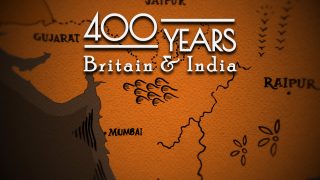
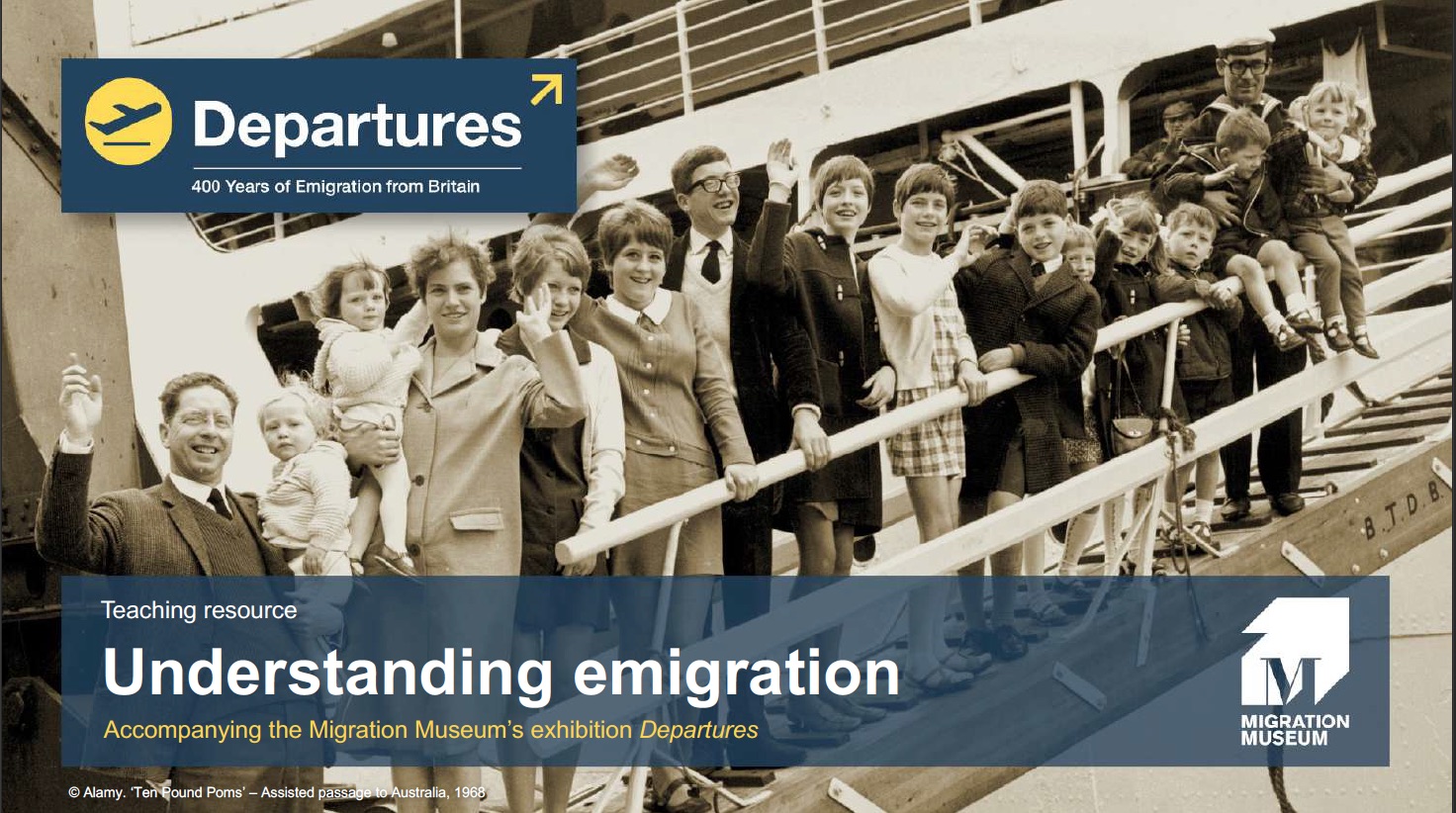
    SummaryThis free, in-depth resource pack shines a spotlight on 400 years of British emigration – one of the largest movements of people in modern history, yet a history that is often overlooked. This resource pack will be helpful to any student studying the impact of emigration from Britain; both on the countries people emigrated to, and on Britain itself. However, the resource pack is designed specifically for Key Stage 4 students studying GCSE History: AQA's ‘Migration, Empires and the Peoples’ unit. The pack has been designed with input from AQA teachers and the board's History subject advisor. Read more
    Description

    This free, in-depth resource pack shines a spotlight on 400 years of British emigration – one of the largest movements of people in modern history, yet a history that is often overlooked. 

    Who are the many millions who have departed these shores and why did they go? Can exploring their motivations help us better understand the motivations of people who arrive? What impact has this mass movement had on the world – and on Britain? Our resource pack features stories spanning four centuries – from Mayflower Pilgrims to Welsh emigrants to South America, Child migration schemes to the Windrush scandal.

    This resource pack will be helpful to any student studying the impact of emigration from Britain; both on the countries people emigrated to, and on Britain itself. However, the resource pack is designed specifically for Key Stage 4 students studying GCSE History: AQA's ‘Migration, Empires and the Peoples’ unit. The pack was designed by David Cox and the Migration Museum, with input from AQA teachers and the board's History subject advisor.

    The Departures: Understanding Emigration resource pack accompanies the Migration Museum’s Departures exhibition, but is designed to be used as a stand-alone resource, or in conjunction with a self-guided or facilitated learning visit to the exhibition. To find out more about organising a visit to Departures for your students, please contact our education manager Liberty Melly: liberty@migrationmuseum.org.
    Resource
  • Family Tree Activity

    Produced byMigration Museum
    SubjectArt, Citizenship, English, Form time, History
    Age rangeKS2 (ages 7–11), KS3 (ages 11–14), KS4 (ages 14–16), KS5 (ages 16–18)
    SummaryWe've put together a helpful guide to help you begin to explore your family tree and the stories hidden within, including questions to ask your relatives and a family tree outline to print off and fill in. We have also highlighted some great online resources to help you dig even further. Read more
    Description

    Exploring our family history can help us uncover amazing things about our family and ancestors and these stories often feature migration. Here is a helpful guide to help you begin to explore your family tree and the stories hidden within. How much do you know about your parents, grandparents or relatives? Do you have someone in your family who migrated somewhere? We have created some questions for you to ask your relatives. You will also find a family tree outline to print off and fill in! You can even pin stories, drawings and photos to illustrate it. Fill in the names and draw the connecting lines – or draw your own tree. We have also highlighted some great online resources to help you dig even further. In these times of social isolation, it is more important than ever to reach out to those you can’t see via phone or video chat. And being at home for an extended period of time is a great opportunity to find out more about your family and relatives. Tell us who you got in touch with and what type of technology you used to do it.

    Resource

Education funders