

Squaring the Mile: How we’re engaging our new local communities in the City of London
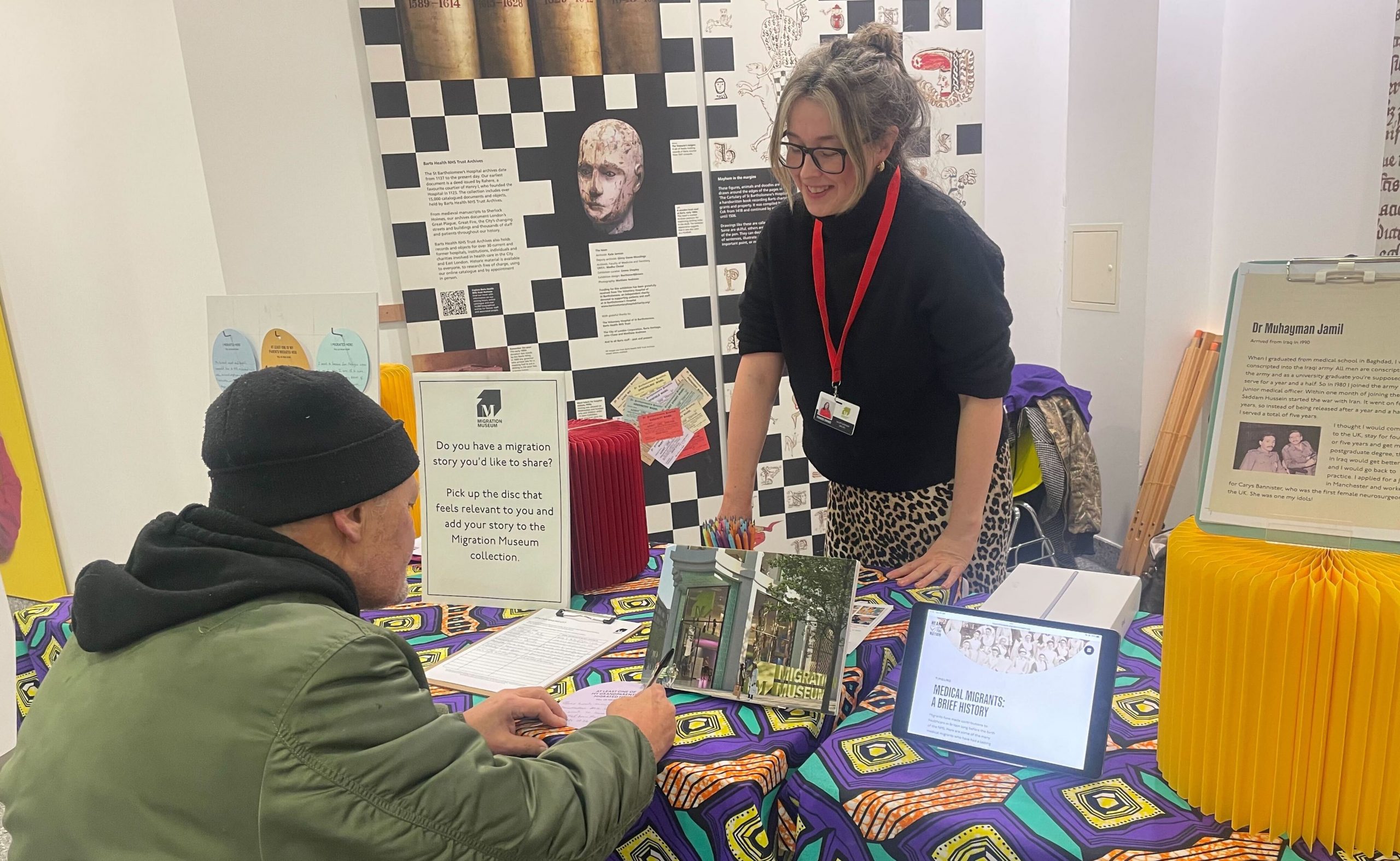
As we prepare to open our new permanent home in the City of London, Frances Ewings, our Public Engagement Coordinator, explains why the Square Mile is such a fitting location for the Migration Museum – and how we’ve been engaging with our new local communities.
“Isn’t it just full of finance bros?” This is just one of the surprised responses we’ve heard when telling people that the Migration Museum is building a permanent venue in the City of London. When it launches in 2028, it will be the UK’s only museum solely dedicated to the topic of migration – but why build a cultural venue examining the UK’s diverse past in the heart of a landscape famed for suits and skyscrapers?
Look a little closer at London’s history and perhaps the location isn’t so surprising. After all, the City is where Roman settlers founded Londinium, which became the London we know today – in fact, sections of the original wall they built around the city can be found just metres from the museum’s new site. City street names also give a clue to a not-so homogenous past – Lombard Street, Old Jewry and India Street to name a few.
The City’s diversity doesn’t just lie in the history books. According to the last census, the Square Mile is home to around 8,600 residents – over a third of whom identified with a non-UK identity. Add to this one of the most international workforces in the world: 40 percent of the 678,000 workforce populating the City by day come from the European Economic Area (EEA)*, or the rest of the world.
Through our community engagement work at our previous venues in Lambeth and Lewisham, which saw co-produced exhibitions and an award-winning welcome, we understand the important role a museum can play in the local area. Reflecting the migration links of the area surrounding our new home is integral to the success of the new museum.
With this in mind, we set about work early. In 2024 we secured funding from City Bridge Foundation to support our community engagement. This has enabled us to go out and meet communities where they are – an important step in removing barriers to cultural participation.
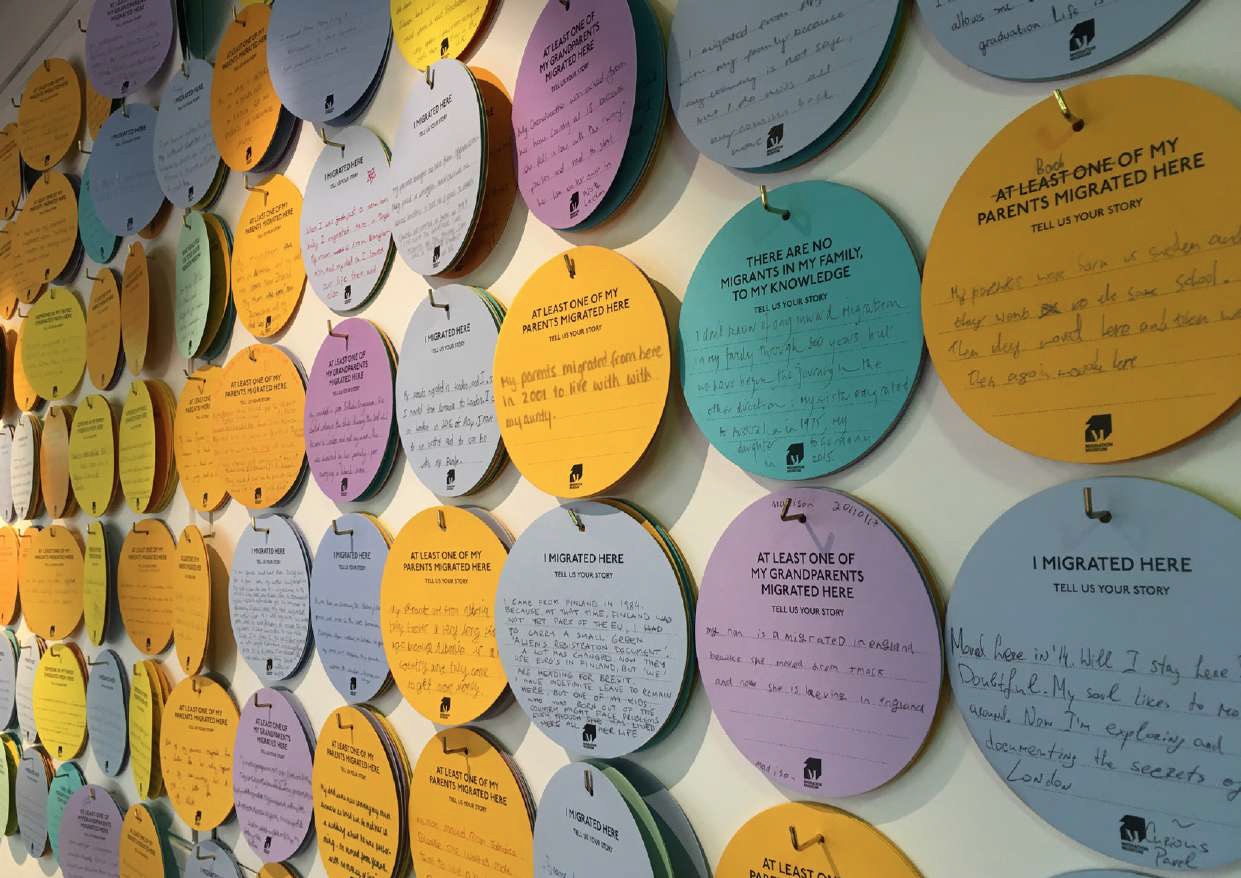
A huge part of this work has been our story collection project, whereby we have visited community centres, charities, places of worship, hospitals, libraries and corporate employee resource groups to unearth 5,000 hidden – or not so hidden – stories of migration.
Highlights have included hosting an outreach workshop with an ESOL class at the Guild Church of St Katharine Cree. The church focuses on serving City workers in essential, but often precarious and low paid jobs – so-called ‘hidden’ roles – and is home to the Joseph Centre for Dignified Work.
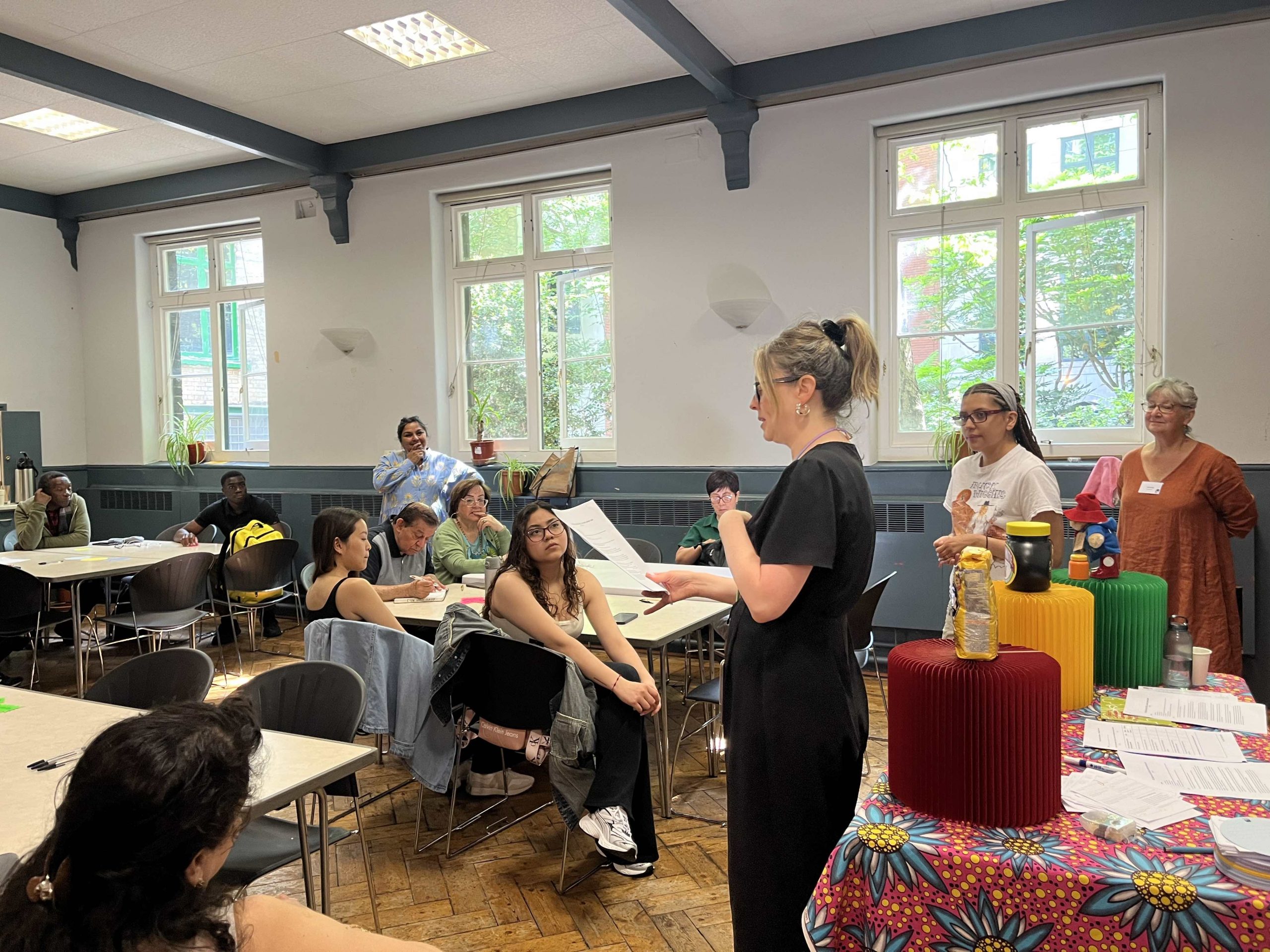
The majority of the class we met were Latin American and part of cleaning, maintenance and security personnel in the City. We shared stories and exhibits from past Migration Museum exhibitions, and they shared their first-hand experiences of immigration – giving voice to those often overlooked and proving that there’s more to the City than just red-braced bankers.
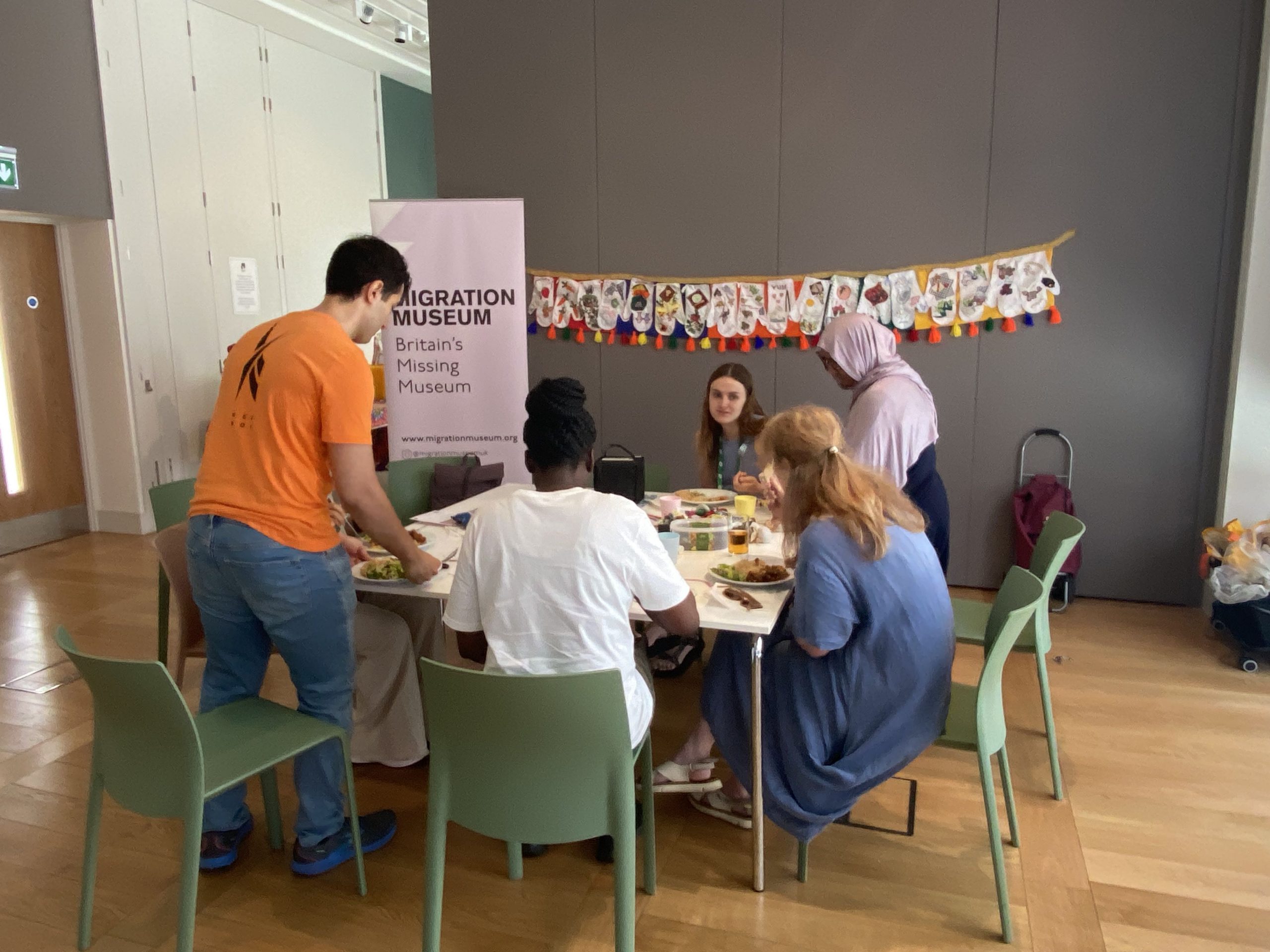
We have also enjoyed meeting hyper-local audiences at the Community Table held at the Aldgate Centre – a mere four-minute walk from our permanent site. Run by the charity Shoreditch Trust, whose aims include strengthening community and inclusion in the City, the Community Table is a chance for locals from all walks of life to enjoy a meal together. A diverse group, we met City residents with migration stories from across the globe.
City Bridge funding has also made possible the formation of our People’s Panel – a group of over 50 community-minded individuals who, through collaboration and consultation, will help shape key aspects of our new museum.
We’ve attended iconic venues such as St Paul’s Cathedral, where we met members of the City’s other international cohort – tourists. They are an important part of the City economy and will be a valued audience at our permanent museum. Through our recent outreach work we have witnessed tourists’ appetite for UK emigration history too. Many, particularly North American, have expressed interest in their family’s UK-roots. We are, after all, a museum dedicated to migration – both emigration from and immigration to the UK.
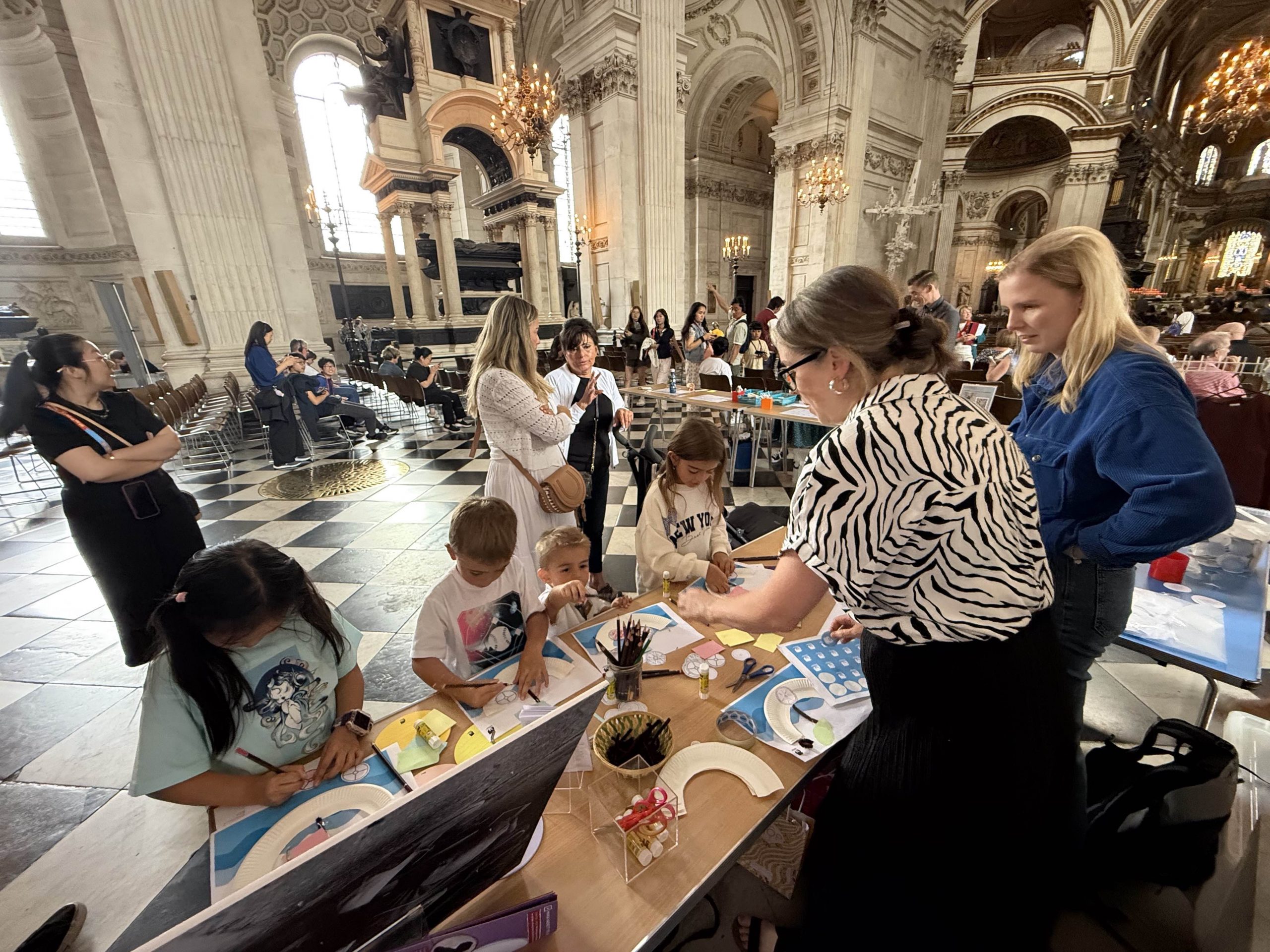
We look forward to building on these relationships, forging new ones and finally welcoming all when we open our museum doors in 2028.
If you are part of a community group in London and are interested in the Migration Museum’s free outreach workshops, contact info@migrationmuseum.org for more.
*The EEA includes EU countries and also Iceland, Liechtenstein and Norway
Our community engagement work is supported by City Bridge Foundation, the funding arm of The City of London Corporation’s charity, Bridge House Estates (1035628)

Leave a Reply