

Hidden in Plain Sight: Walking the City’s streets to unearth the global history of migration
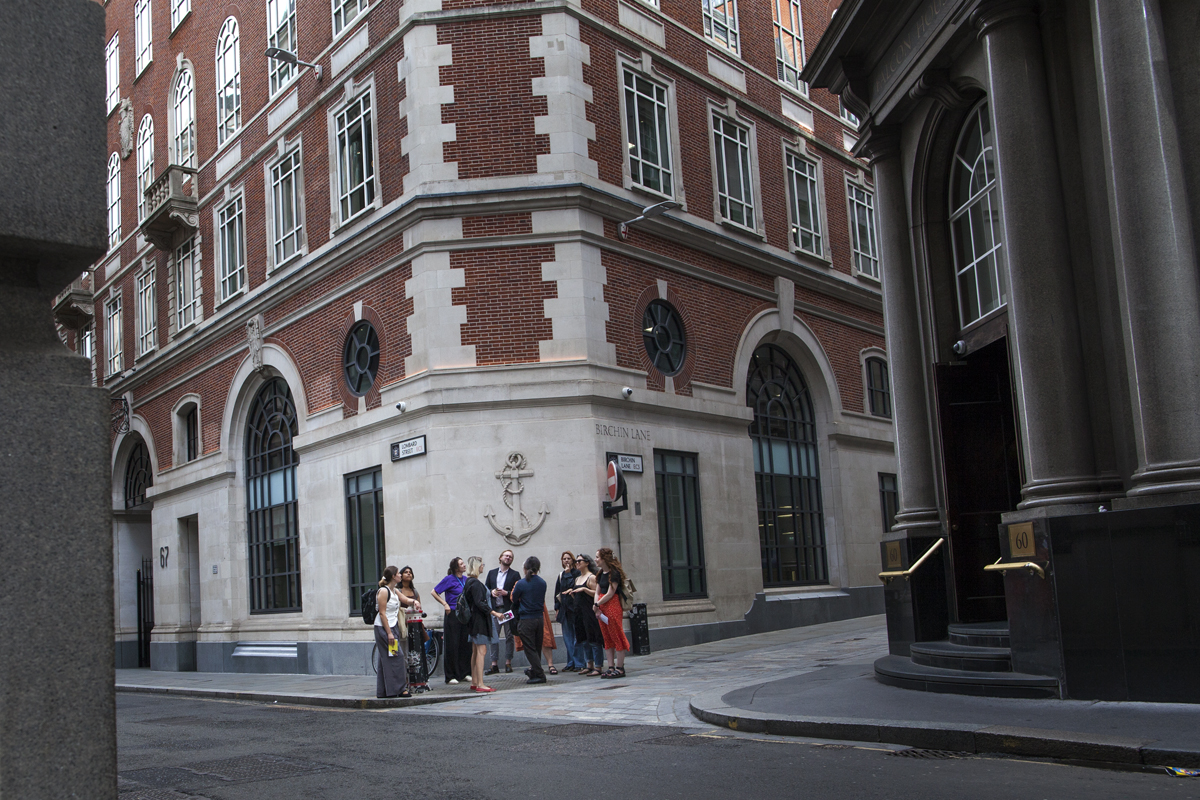
This post is written by Tawana, one of the student researchers and guides who have developed our Migrant Women From the City to the East End walking tour as part of our placement programme.
If you walk through the area of Spitalfields and Aldgate today, it’s not necessarily easy to get a sense of the history of this part of London, or how that history is linked to migration. Spital Yard is a narrow alleyway between office buildings, yet its past gives us great insight into the story and lives of migrant women, women who had a significant impact on the City and East End of London. Today 9 Aldgate is home to a branch of Nationwide bank; in the Georgian period, it was home to a bookshop that published the first book written by a Black woman in Britain. Much power can be held in ‘space’. How a ‘space’ is seen or how we view physical landscapes changes the way we interact with the world around us.
I had the pleasure of researching and putting together the Migration Museum’s Migrant Women from the City to the East End walking tour and truly saw the power of physical landscapes in understanding the history of migration in Britain. The main challenge when creating the tour was that many of the places discussed during it, such as 9 Aldgate, have been demolished or replaced. So, when creating the tour, it was important to ensure that those on the tour are able to leave with an understanding of how these specific stories have impacted the landscape we live in today.
Phillis Wheatley: The Mother of Black Literature
Phillis Wheatley (known as the Mother of Black Literature) is a great example of how the streets and buildings of London can reveal to us the story of the British Empire and how it was something that wasn’t confined to the places colonised; but fundamentally shaped Britain itself too.
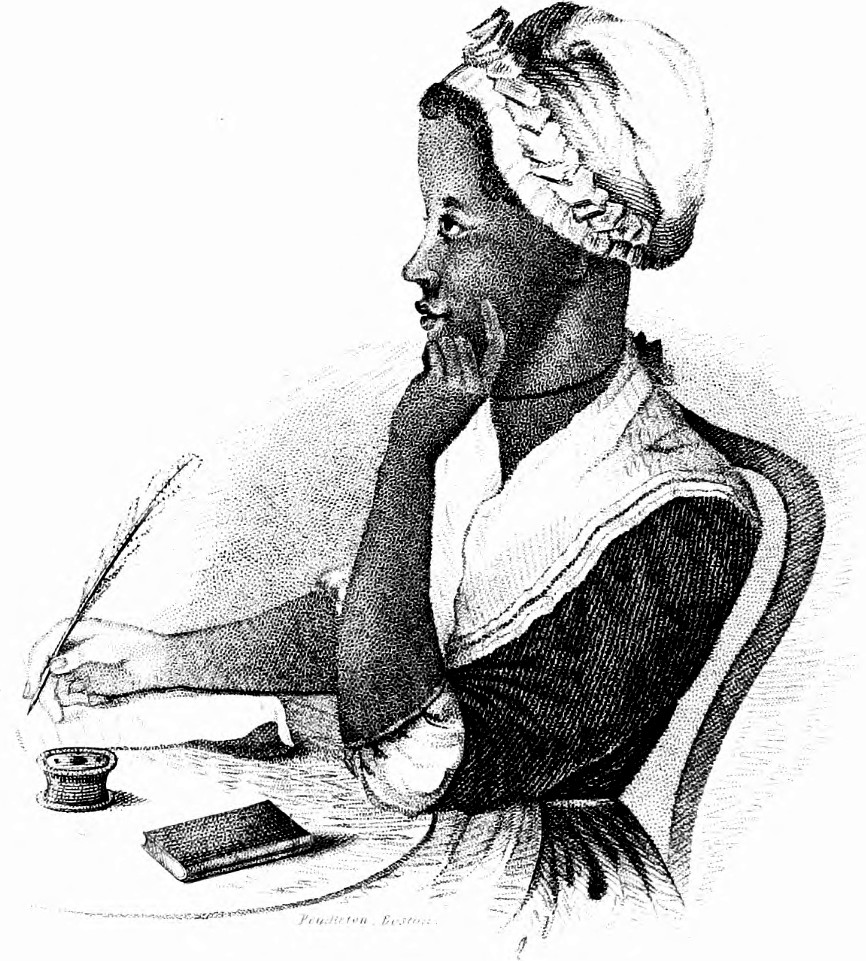
Wheatley was born in West Africa, most likely modern-day Gambia or Ghana. At the age of eight, she was enslaved, transported to America, and sold to Susanna and John Wheatley in Boston. Her name would be given to her while on the ship and she would take the last name of her enslavers. Unusually, Wheatley was taught alongside the Wheatley’s children. They recognised her talent and encouraged her to write, and by 14 she was already published.
It is important to remember that for much of Wheatley’s life America was still a British colony. This is most likely a big factor as to why she decided to travel to London and publish her book of poems at Bell’s Bookshop, 9 Aldgate, in 1773, three years before US independence. She became the first published Black woman in Britain. Wheatley did not stay in London for long. She travelled around the country and was recognised internationally for her works.
Understanding the significance of the East End in her story changes how we think of the London landscape. Not only does it show how connected its colonies were to Britain, it highlights how the Black migration story is not a post- World War Two phenomenon; but is something that begins well before. There were actually an estimated 10,000-20,000 Black people living in London during the Georgian period.
Mapping Black London, a digital project led by Northeastern University, has begun to unearth the significance of Black people in London’s long history. Through the piecing together of Parish records, court documents etc., the project has found evidence of Black people living in London since the Roman period. This kind of public-facing work challenges the perception of Britain being a mono-racial country until the 20th century.
Dona Luisa: Faith and Refuge in Spital Yard
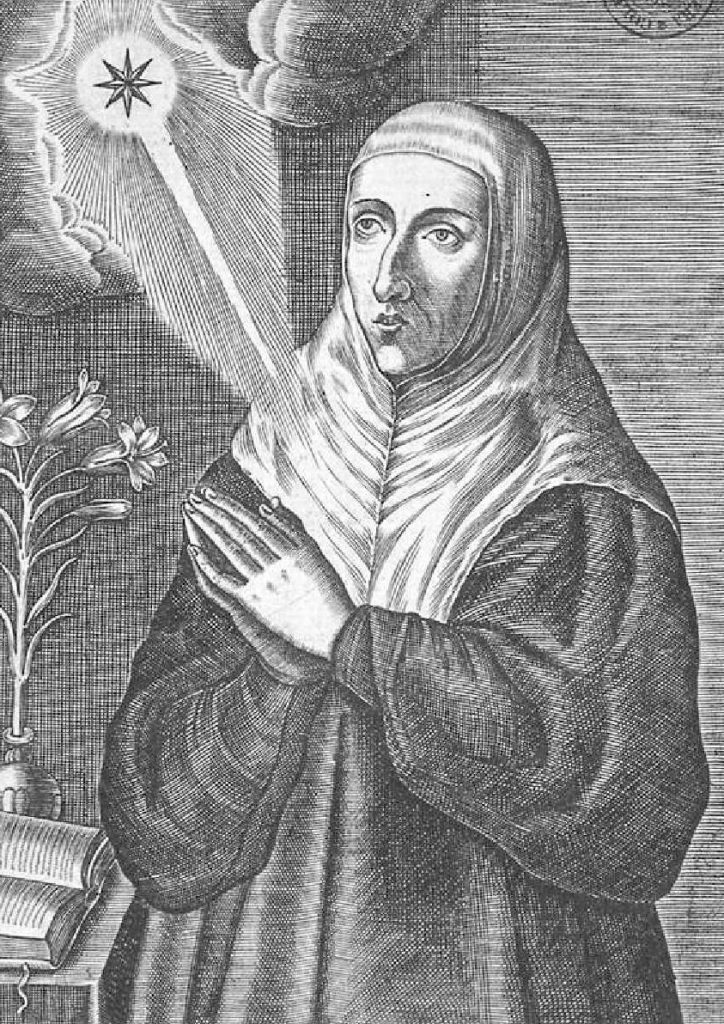
Dona Luisa de Caravajal Mendoza is another woman whose story reveals the complex history of migration in Britain . After the English Reformation in the 16th century, the Priory of St Mary Spital was destroyed and life for Catholics was not easy. Many chose to live outside the city walls in the houses and gardens among the remains of the old priory. This included Father Henry Garnet, a Jesuit priest who was eventually beheaded for possibly having prior knowledge of the 1605 Gunpowder Plot. He arranged for the arrival of Doña Luisa de Carvajal y Mendoza, a Spanish Catholic activist.
Dona Luisa was born into a rich family with royal connections. But Luisa rejected wealth and power. Instead, she dedicated herself to religion and the needs of women, especially in the poorest areas. She migrated to London from Spain in 1605, with a priest disguised as her servant, to support persecuted Catholics and convert people – especially women – to the religion.
In 1611, she rented a house on Spital Yard, where her next-door neighbour was the Venetian ambassador. She set up an illegal religious community of five women she called the ‘Society of the Sovereign Virgin’. They grew their own food and the house had tight security features, including double doors, grilles and a hidden chapel.
In 1613, her house was raided by over sixty soldiers on the orders of King James I and the Archbishop of Canterbury. They climbed the walls with ladders and broke down the doors. Two of her women died and Doña Luisa was arrested and imprisoned. Dona Luisa was released on the condition that she left England, but she refused and was imprisoned again.
Dona Luisa and her time in Spital Yard unveil an aspect of Britain’s turbulent religious history that tends to be forgotten. Not only did Dona Luisa, a Spanish migrant woman, live in East London, she collaborated with other Catholics, many of whom were also migrants, to keep her faith alive on the streets of London during a time when doing so was a matter of life and death.
Rethinking the Modern City
The brick house which Dona Luisa lived in is now swallowed up by the glass structures you see in the area today. But knowing her part in history invites us to rethink our perception of the City of London and the East End. Every stone, brick and building reveals aspects of the past; and more often than not, this past involves migrants – migrant women.
It is important that when exploring the physical landscape of the East End, we remember the importance of migrant women’s stories. These stories highlight the significance of migration in shaping British history – and the streets we walk today.
Further Reading
- Mapping Black London
- Seeking Spatial Justice – Edward W. Soja
- Culture and Imperialism – Edward Said
- Women’s History on My Walk: Spitalfields, East End Women’s Museum
- Phillis Wheatley: The first published Black woman poet, East End Women’s Museum
- Phillis Wheatley, National Women’s History Museum
About the Author
Hi, I’m Tawana. As a second-generation migrant myself, I have always been aware of how much Britain and its story is shaped by migration. My academic career goal is to assist in changing the notion of migration being something that needs to be stopped, and rather, having a more holistic understanding of migration as something that has always been a part of the British story.
Enjoyed this history? Keep exploring London’s streets
If you want to uncover more of the history beneath your feet, check out From Squats to Soup Kitchens: The Care Networks of Migrant London.
Image credits:
A group in the City of London during a Migration Museum Walking Tour. Photography: Elzbieta Piekacz
A portrait of Luisa Carvajal y Mendoza printed by Juan de Courbes.
Portrait of Phillis Wheatley Frontpiece of Poems on Various Subjects, Religious and Moral License Public Domain.
Leave a Reply