Archives

Why teaching about local history matters
The Migration Museum is proud to support the Local History Hub’s first ‘Local History Day’ for schools. A day for young people to explore the people, places, stories and objects connected to their local area. 

In this blog post, our Learning Manager Tia Shah explores why teaching local history is such a great way of engaging young people on the topic of migration – and highlights some digital resources to get you started.
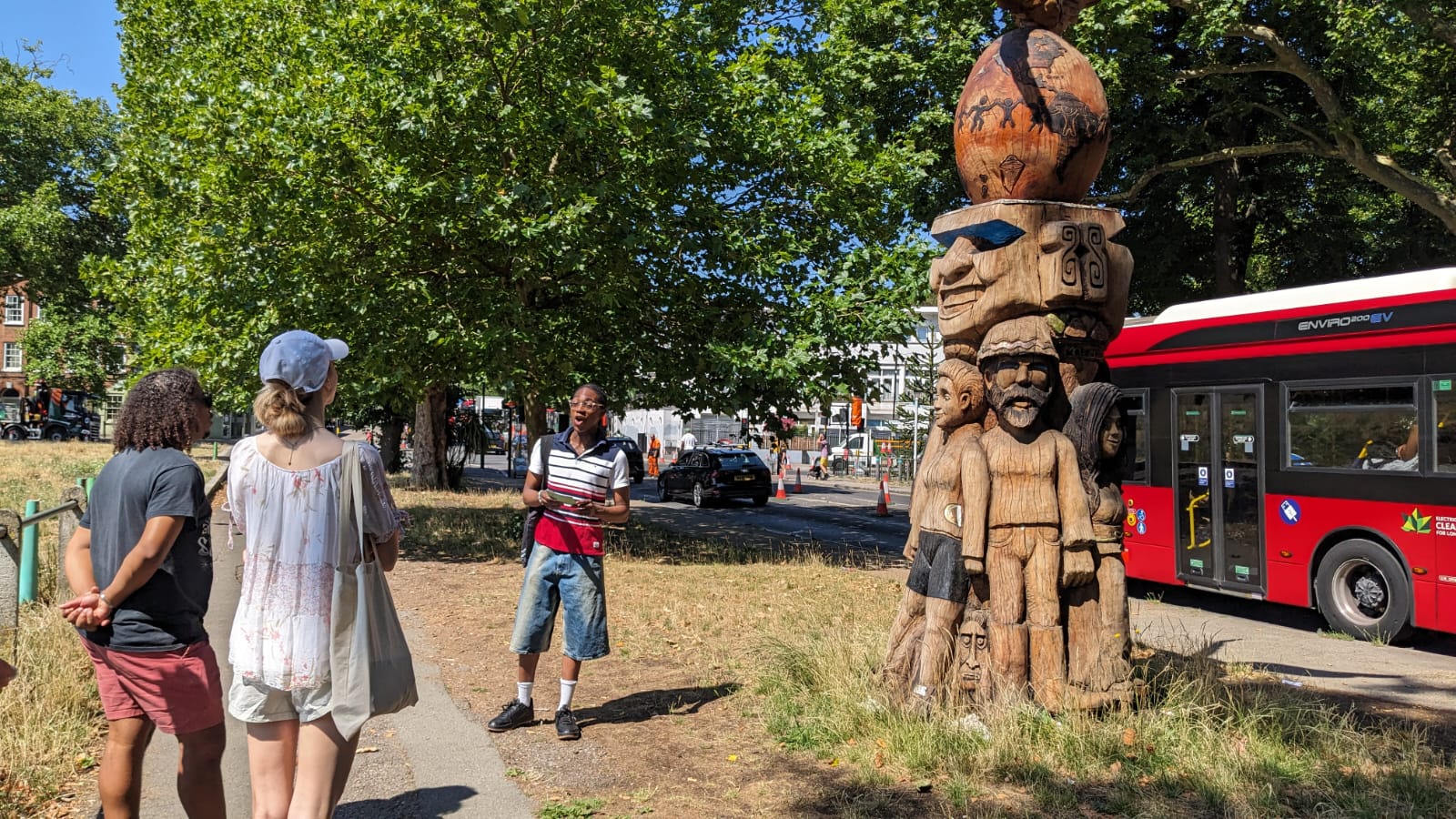
 

A stop on a walking tour of south-east London, researched and delivered by a young person as part of a work experience placement with the Migration Museum in summer 2025 (Photo: Migration Museum)

Learning about local history is one of the best ways to get young people curious about the past. It allows them to uncover stories hidden in the places they see every day, highlighting that history exists all around us. 

By exploring physical traces of the past in the buildings, statues and roads around them, and learning about the people who once lived in our communities, students can gain a personal connection to history. They can also see how their stories, their families, and their lives are part of shaping the world around us. Exploring local history can foster a sense of belonging and pride in where we live, and an understanding of our place in the world.

Sharing local histories is also a great way of exploring the topic of migration. Whether this is learning about why the demographics of your school have changed over time, why your local high street has lots of Indian and Chinese takeaways on it or investigating why people settled in your local area – migration stories are all around us.

Big historical events can be brought to life through a local lens – like the departure of the Mayflower from Plymouth in 1620 or the legacy of the Romans in Colchester. 
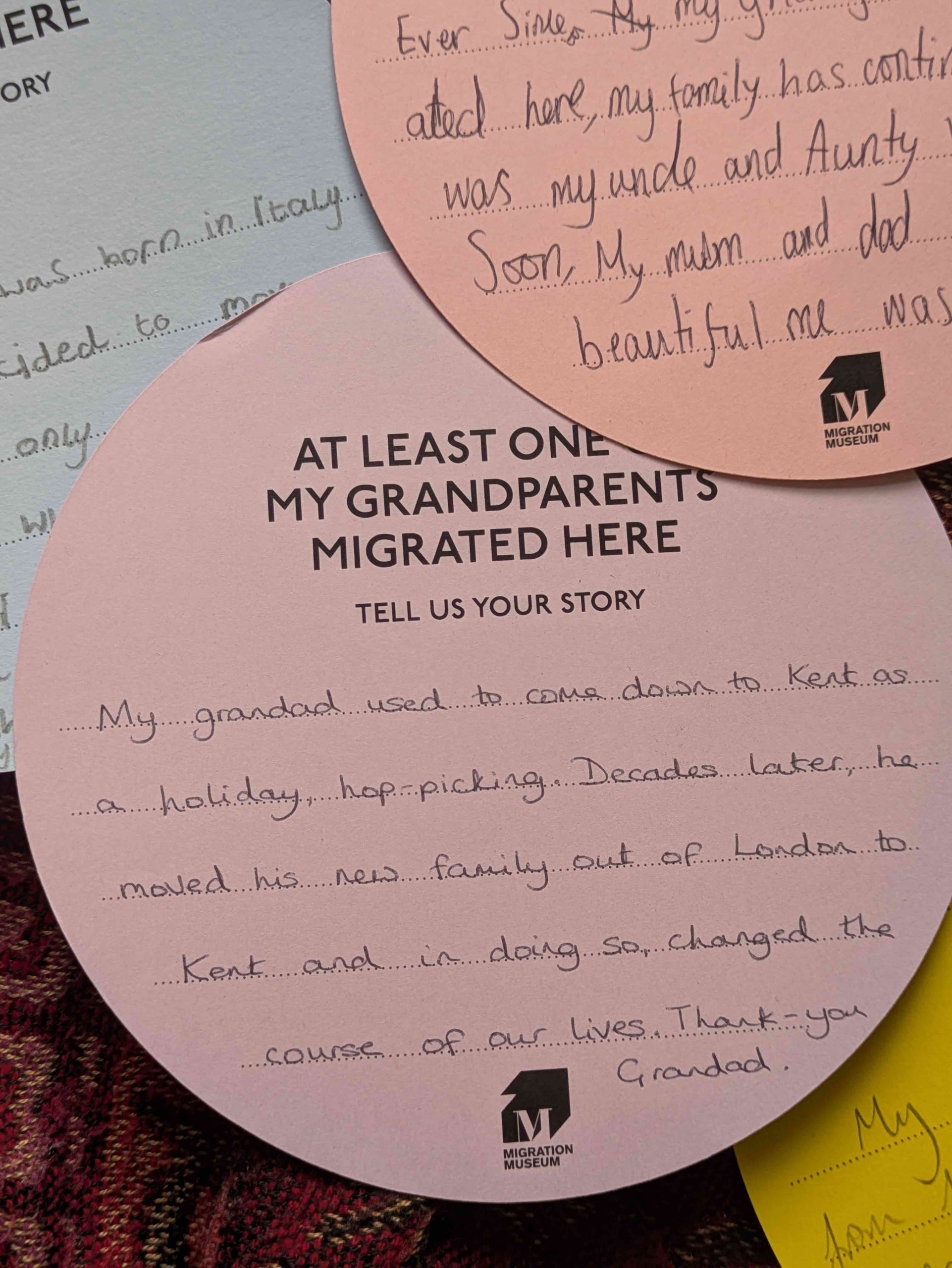
Story disc shared by a visitor to the Migration Museum (Photo: Migration Museum)

At the same time, forgotten stories of internal migration can be shared – like the seasonal journeys of the ‘Kent Hoppers’, who moved from cities to Kent for the hop harvest every year,  or the ‘Herring Girls’ who followed herring down the coast from Scotland to East Anglia. All of these stories reveal just how profoundly migration has shaped communities in the UK. 

When it comes to exploring these stories, local museums are an invaluable resource at your fingertips. Often free and supported by dedicated learning teams, they offer rich opportunities to step beyond the classroom to discover local history, through workshops, exhibitions, and even local walking tours. 

Alongside this, there are plenty of digital resources which make it easy to bring local history into lessons in engaging and accessible ways. 

Here are some resources to get you started:

Find out more about Local History Day

Introducing our new People’s Panel: putting people at the heart of our new permanent home

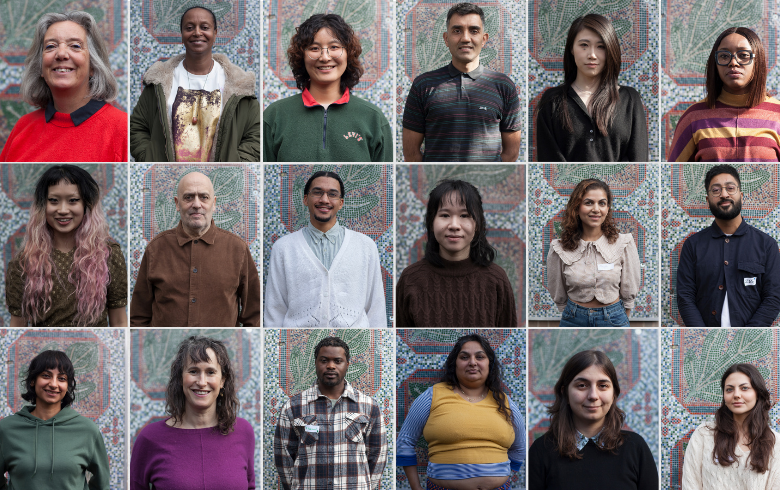
We are delighted to introduce our new People’s Panel, who will be helping to shape key aspects of our new permanent home in the City of London.

Our People’s Panel includes over 50 community-minded individuals with connections to our new home borough of the City of London, our neighbouring borough Tower Hamlets, or our previous home borough of Lewisham – through either living, working, studying or organising in these areas. 

As we work towards our permanent home, we want to deepen our understanding of local needs and community interests, whilst broadening our civic engagement practices through key decision-making processes.

Acting as a group of critical friends and collaborators, our People’s Panel is instrumental in shaping key aspects of our permanent museum. The People’s Panel programme has three key strands:

– Migration Stories: training members to document and preserve migration stories from their communities, to form part of our collection.

– Events: developing an events strategy and experimenting with a co-produced programme of events.

– Permanent Home: shaping our visitor experience strategy, food and drink offer, and spatial design of the permanent home.

Our new People’s Panel will build on our learnings from our previous work, in particular the first iteration of our People’s Panel in Lewisham (2022-3). Through this project, we aim to connect our existing Lewisham audiences with future audiences from the City of London and Tower Hamlets. 

Announcing our new People’s Panel, Mona Jamil, Head of Civic Engagement at the Migration Museum, said:

“The Migration Museum’s core civic engagement objective is to ensure that people are represented, connected and empowered through all the work that we do. Embedding community voices into the permanent museum is essential. We want to foster inclusion, belonging and connection to Britain’s history, as well as between different communities. 

“We are delighted that so many people with connections to the communities closest to our permanent home, as well as our previous home borough of Lewisham, applied to take part, and we’re inspired by the passionate people on our panel who believe that a more inclusive future is possible. 

“This work will be instrumental in shaping our permanent museum, ensuring that collaboration and co-production is embedded from the very beginning.”

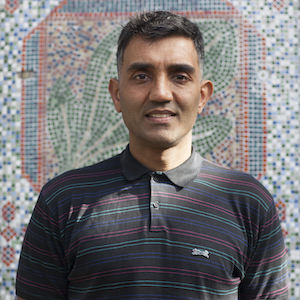
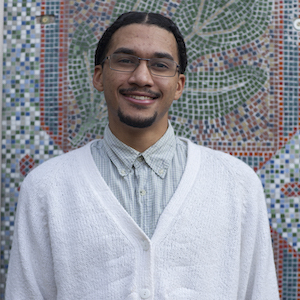
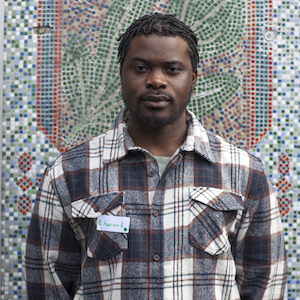
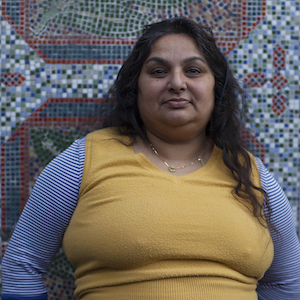
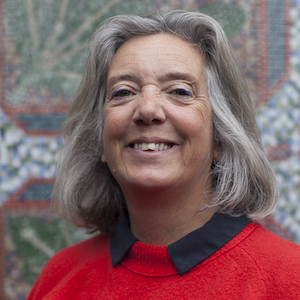
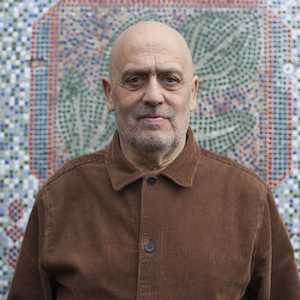
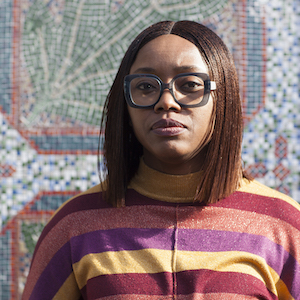
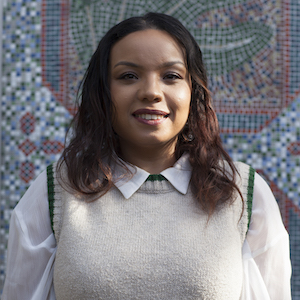
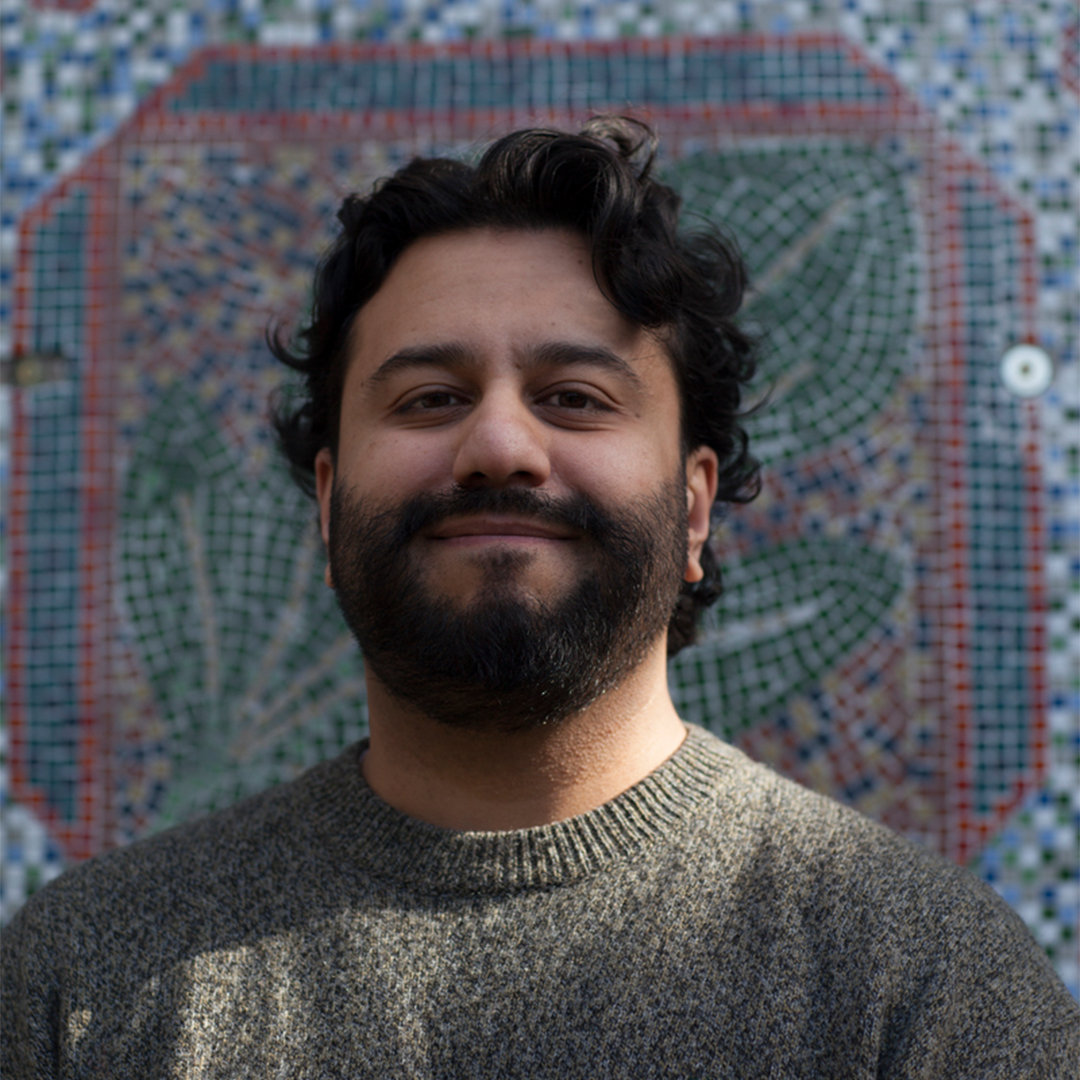
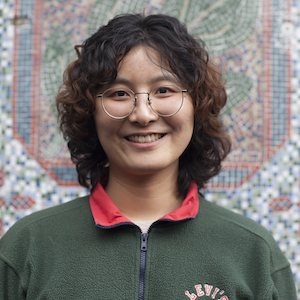
Introducing some of our People’s Panel Members

Amar Patel (Events)

I am a Catford-based writer who has worked with The Quietus, GUAP, Straight No Chaser, Lexus, The British Library and Factory International among others. I take a flexible approach to my craft, moving between copywriting, editorial, creative writing, scripting and broadcasting. I also mentor at kids’ creative writing school Ministry of Stories and with Arts Emergency.

Lewisham has been my home for the past 12 years. I’m proud to call this place my borough and am always looking for other ways to play an active role. Aside from volunteering at the Migration Museum (doing anything from collecting oral histories to painting walls), I also serve on the board of Sister Midnight, Lewisham’s first community-owned music venue. Words have the power to open minds, make meaning and bridge divides. I want to bring this energy to the group and help ensure that the Migration Museum 2.0 reflects the plurality of voices and breadth of cultures that is London at its best.

Carlton Fontaine-Nowell (Permanent Home)

I am a cultural producer and freelance photographer working across the cultural sector and the public realm with a focus on cultural activation, social value, environmental equity and placemaking. Recently I’ve worked with the Barbican Renewal Programme exploring new activations for their Conservatory and Sculpture Court spaces as well as overall improvements to public facilities and way-finding.

I am a passionate advocate for youth-led change and climate action and I have contributed to climate adaptation research with London boroughs and the Greater London Authority. I have worked with the Young Emerging Leaders Collective, a global majority-led initiative challenging environmental injustice through creative campaigning. I currently serve on the Elevate Board, championing young East London voices on governance level through consultation, strategic decision making and project delivery across the Queen Elizabeth Olympic Park area.

I look forward to drawing on my lived and professional experience to support the Migration Museum’s People’s Panel. As part of the Permanent Home Group, I am excited to explore what being a museum means in the context of belonging and how we can create a welcoming and interactive offer for visitors.

Edward Adonteng (Stories)

I am a poet, essayist, artist, horticulturist and researcher from Ghana via South London. I see myself as a bridge builder, facilitating discourses on several themes and creating platforms for people to thrive and fully exercise their ingenuity. Some recent selected contributions of mine are: Spirituality and Gardens (Barnes Common), Urban Nostalgia Part I and II (Garden Museum) and Reflections on 2020: Black in Britain (Bamako House). I was published as a Contemporary Ghanaian Poet in 2024 and my poetry considers themes of time, identity and humanity, as well as a reckoning with self.

I bring a listening ear to the People’s Panel with the Migration Museum, looking to effectively record the stories of those within my community – especially in this current juncture that upholds certain narratives whilst diminishing the stories and experiences of others.

Julie Begum (Stories)

I’m a British Bengali female, born and bred in Tower Hamlets, London, UK. My parents migrated to the UK in the 1960s. I was born in 1968.

Growing up in London, it was an extremely racist and hostile place in the 1970s and 1980s, particularly for Bangladeshi children, women and men who were targeted on a daily basis and this resulted in a climate of terror and sometimes in racially motivated murders e.g. Altab Ali. His death proved a turning point for the Bangladeshi community who fought back, protesting and demonstrating on the streets demanding protection from racial attacks and holding the authorities accountable for their lack of action.

In the 1990s, l helped set up Women Unite Against Racism as a response to the racist attacks in Tower Hamlets during the time the BNP were active and one of them got elected as a local councillor. I helped set up the Swadhinata Trust in 2000 to document, promote and celebrate the contributions of British Bengalis in the UK. l work with English for Action and adult social care in Tower Hamlets. I am my mum’s carer. l volunteer with the Youth Justice team.

Miranda Quinney (Stories)

I am the daughter of a Persian migrant, now based in the City of London. My career has taken an unconventional path — from the corporate world into theatre and the creative arts — but storytelling has been the constant thread throughout. Today, I work as a biographer and trainer, supporting individuals and communities to tell their stories with clarity, confidence and care.

I believe deeply in the power of story to build connection, strengthen communities and bridge division. My independent practice spans creative collaboration and academic research. I have worked with organisations including BEEE Creative, Harrow Stories and Our Stories, bringing creative practitioners together to transform lived experience into powerful artistic work shared in community settings. Alongside my creative practice, I hold a doctorate in gerontology, exploring how life stories can support positive ageing and help heal intergenerational divides. At the heart of all my work is a simple belief: every story matters, and when shared well, stories can change how we see ourselves — and each other.

Paul Lincoln (Permanent Home)

I live in the City of London on Golden Lane Estate. I am a printmaker based at East London Printmakers in Mile End, where I have curated the annual Festival of Print for the past three years. I am also a City of London and Open City guide, focusing on the architecture and history of the City. My family are Jewish and came to London from Łódź in Poland and Vilna in Lithuania around 1881 and lived in Chicksand Street off Brick Lane.

Priscilla Okoye (Permanent Home)

I am a writer whose work includes a forthcoming children’s story, poetry, and research on migration, displacement, and migrant mental health, exploring how structural and historical forces shape people’s sense of identity and belonging. My poetry has appeared in Other Side of Hope magazine and on The Literary Platform, and has been exhibited at Kent Mining Museum and Morley College. I have presented my research on migration at international conferences, including the International Migration Research Network (IMISCOE). Through both creative and research writing, I explore the emotional weight of migration and the lived experiences of displaced communities. I work as a Women’s Group Coordinator at Lewisham Refugee and Migrant Network.

Being part of the museum’s Permanent Home project engages a question I care deeply about: what does “home” mean — and what does a museum mean — spatially, emotionally, and politically in the context of migration? I’m excited to help create a national space where migration histories are preserved, thoughtfully brought to life, and where people feel seen, heard, and represented.

Sandy AbdelRahman (Permanent Home)

I am a British/Egyptian culture producer, who grew-up and is based in East-London. I’m known for harnessing creativity as a tool for systemic change, with a focus on education, intersectionality, and community empowerment. I am the founder of Skaped, a youth-led artivist charity, and co-founder of Noria Collective, both rooted in decolonial practice and led by the global majority. My work spans the human rights and social justice sectors, with experience at organisations such as Reprieve, Refugee Action, and Amnesty International. I am committed to centring anti-racism, feminist values, inclusive leadership, and the voices of the global majority in every space.

Shah Warraich (Stories)

I am a Lawyer, working at an international law firm in the City of London. A large area of focus for me has been leadership and community building through my extensive Pro Bono work and engagement with a number of civic initiatives domestically and overseas.

Prior to working as a corporate lawyer, I held a wide range of public and private sector roles, ranging from charities supporting the unhoused, working with those seeking asylum and leadership roles within the primary and higher education sector. Having previously worked on a one-year Producing and Programming scheme through Arts Council England, I believe in the power of art and creative spaces to stimulate meaningful conversations in society.

Siqing Zhan (Events)

I’m a textile artist and historical researcher, specialising in the intersection of textiles, archives, gender, and community. I work at the Natural History Museum and Queer Heritage South. Based in East London, I’m also active in South East London and have been a long-time fan of the Migration Museum, where I’ve been involved in their digital collection prototype project. As a first-generation immigrant and part of the ESEA diaspora, I’m passionate about collaborating with museums, galleries, and community spaces to co-create activities that engage and support the community. I completed an MA in History and Japanese at SOAS, University of London, with my dissertation focusing on the children’s labour of second generation British Chinese in Chinese takeaways

After experiencing the pandemic and lockdown with my family in Wuhan in China, I migrated from Wuhan to Tower Hamlets. My background in Wuhan, my queer identity, and as a young feminist activist mean that my migrant life is always situated at the intersection of multiple experiences. These intersections entail multi-layered difficulties, but they also mean that I continuously gain experience and resilience from different communities. Archival practice and community-engaged art are the means through which I continue to deepen my understanding of my own and communities’ intersectional migrant backgrounds.

Funder

Our People’s Panel is supported by City Bridge Foundation, the funding arm of The City of London Corporation’s charity, Bridge House Estates (1035628)

Photos: Elzbieta Piekacz

MuseumNext – What Happens When a Museum Gives Away Power (27/05/2025)

You might think museums are in the business of collecting objects. Or maybe telling stories. But what if their most radical function—especially in a divided society—is to give people power?

That’s exactly what the Migration Museum in London is trying to do. And it turns out, when you hand over control of decision-making, exhibitions, and even values to the community… you get better museums.