

Building the Migration Museum
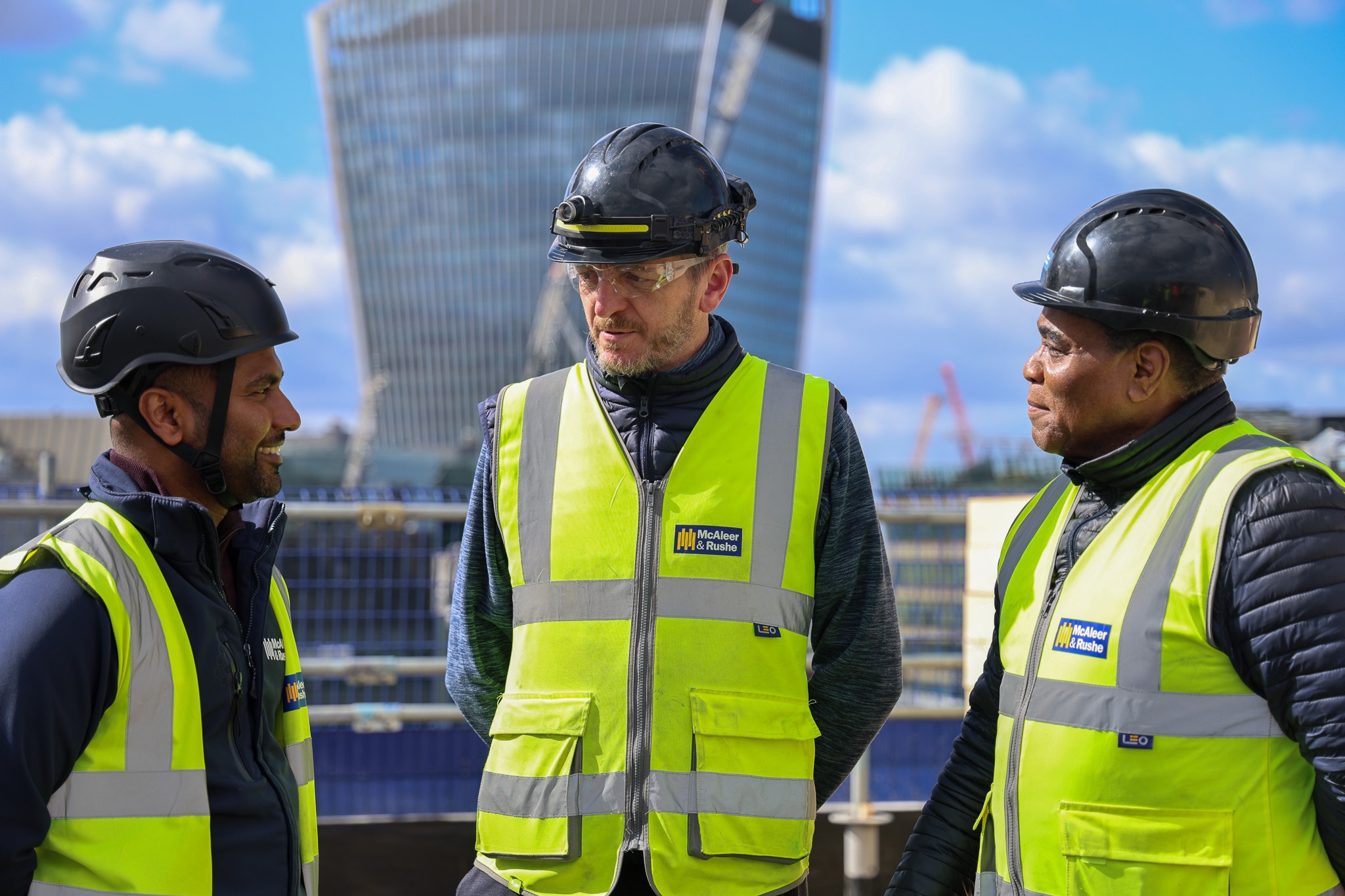
The Migration Museum, in partnership with University of the Arts London and University College London, has documented the migration stories of some of the many people involved in the construction of the museum’s new permanent home in the City of London.
From development managers to carpenters, people from around the world have been essential to the construction of this landmark new museum. With building works now in full swing, we have captured a key moment of public history – collecting and preserving the migration stories of workers who have directly contributed to the founding story of the Migration Museum.
This is an ongoing and collaborative project, working with family-owned real estate developers Dominus, as well as McAleer and Rushe – one of the largest design and build construction companies in the UK.
Scroll down to meet the people building the Migration Museum, or click on a name to jump directly to that story.
David Nunez Arcos
Dharsan Sivagurunathan
Martin Rudzinski
Nate Xu
Nathan Cooke
Terry Nzurike
Lal Chandra Rai
Zoe Huang
Anupriya Rajpal
David Nunez Arcos
Site Manager
McAleer and Rushe
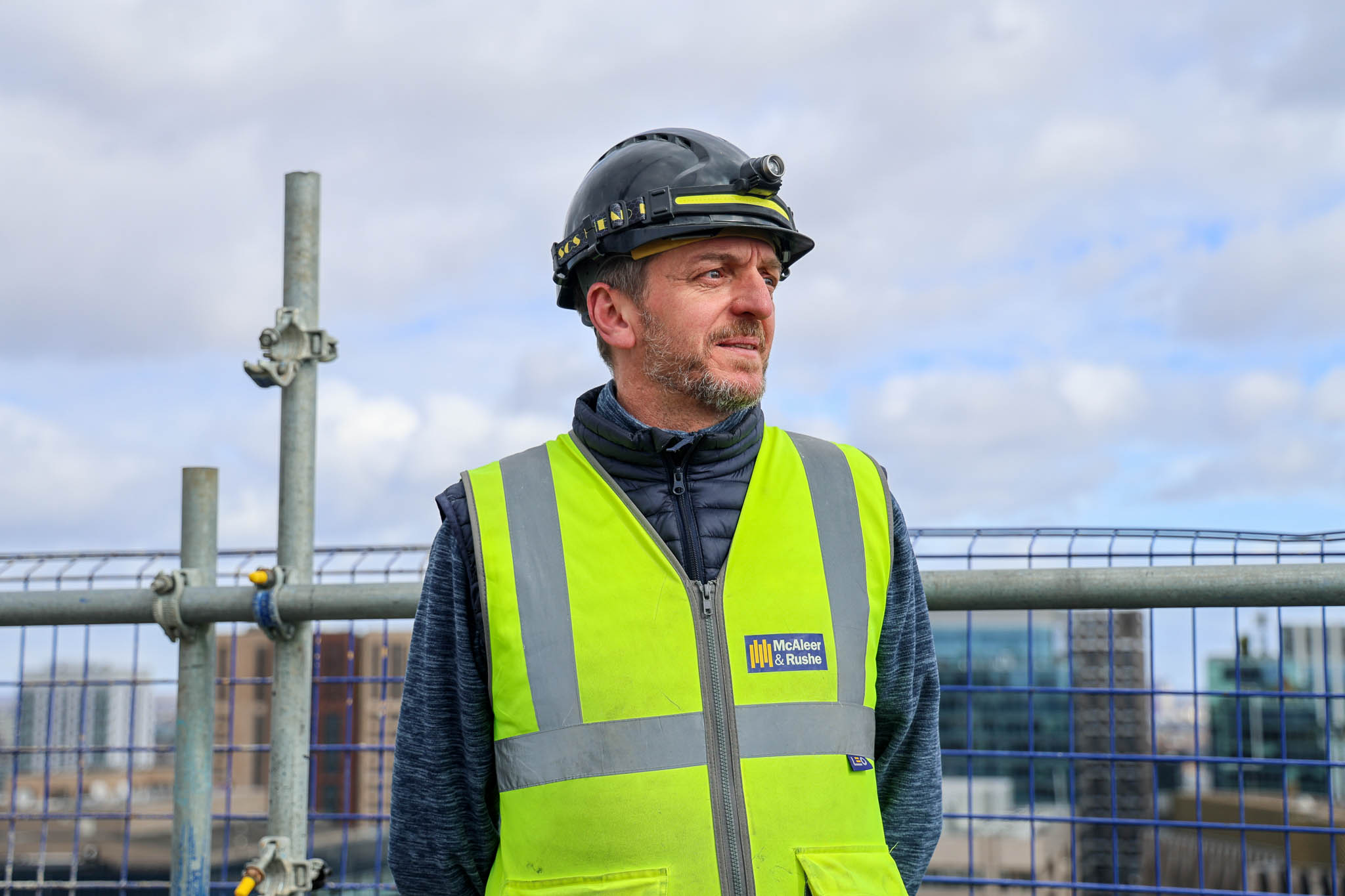
When I first arrived in the UK in 1999, I stayed in London; I had some friends living in a youth hostel next to the British Museum. I joined them and became part of the cleaning staff. It was a really easy job: 15 hours a week, with a small amount of money, accommodation, and some meals. I was just enjoying life at that time, learning English and visiting the British Museum, spending two or three hours every day just sketching.
I then went to Arts University Bournemouth to study Animation. Eventually, I pushed away animation and started studying other things like sculpture and graphic design.
I had a little background in painting and decorating, so I was working and studying at the same time…Plan B became Plan A, basically. It was the one paying the bills, the more realistic aspect in life. I continued and started getting offers and promotions. I jumped from a trade to a foreman to a supervisor, and started getting more training and more offers.
I’m working on the internal aspects of the construction of the Migration Museum’s building. I run all the dry-lining, plumbing, electricals – all the first fix. I’ve been in construction for about 22 years in this country.
“In my work, I’m proud of seeing the final product. I’ve built a mosque, I’ve built a church, I’ve built schools. I have the opportunity to go back there five, ten years later and then see how they’ve been used. I talk to the people and explain to them what things are for. I think, in a sense, construction has a lot of craft; a lot of people need to learn how to do those skills to build something properly.”
I enjoy my work and my life here – my favourite thing about London is that it’s multicultural. Any show, any concert, any theatre play: anything is going to happen in London. My daughter is mixed-race – half-Pakistani, and half-Spanish – so she’s got three cultures. I cook her Spanish food, she speaks Spanish and has some Spanish friends, and she gets Pakistani cultural influences from her mum as well. In fact, the base of the food from Pakistan to Spain is quite similar; paprika and cumin is very Spanish, but it’s very Pakistani as well.
I still have a lot of Spanish friends in the UK; my neighbour, for example, we’ve been friends for about 30 years back in Madrid. She came to live in London and we just decided to stick together. I always keep my Spanish traditional food and I like to cook, so I prepare my food at home and bring it over.
In the winter, we cook a lot of stews in Spain. There’s a traditional dish in Madrid called cocido, which is made with chickpeas and a combination of different types of meats. When I make one of them, I just pick up the phone and call my friends from Madrid.
In the decades that I have lived here, I have only ever felt unwelcome in 2016. The day after Brexit, I was at work, going to my office, and a person stopped and asked me, “So, where are you going? When are you leaving?”.
I then queried around the people I work with, and asked them whether they voted for Brexit. Some people said they did, including an Indian colleague that told me he voted for Brexit because of immigration – how ironic.
I’ve thought about going back to Spain a few times, but my roots have grown bigger the longer I’ve stayed here. I’ve got a kid – and London is very interesting.
Photo and Interview: Tess Shuton
Dharsan Sivagurunathan
Construction Engineering Manager
McAleer and Rushe
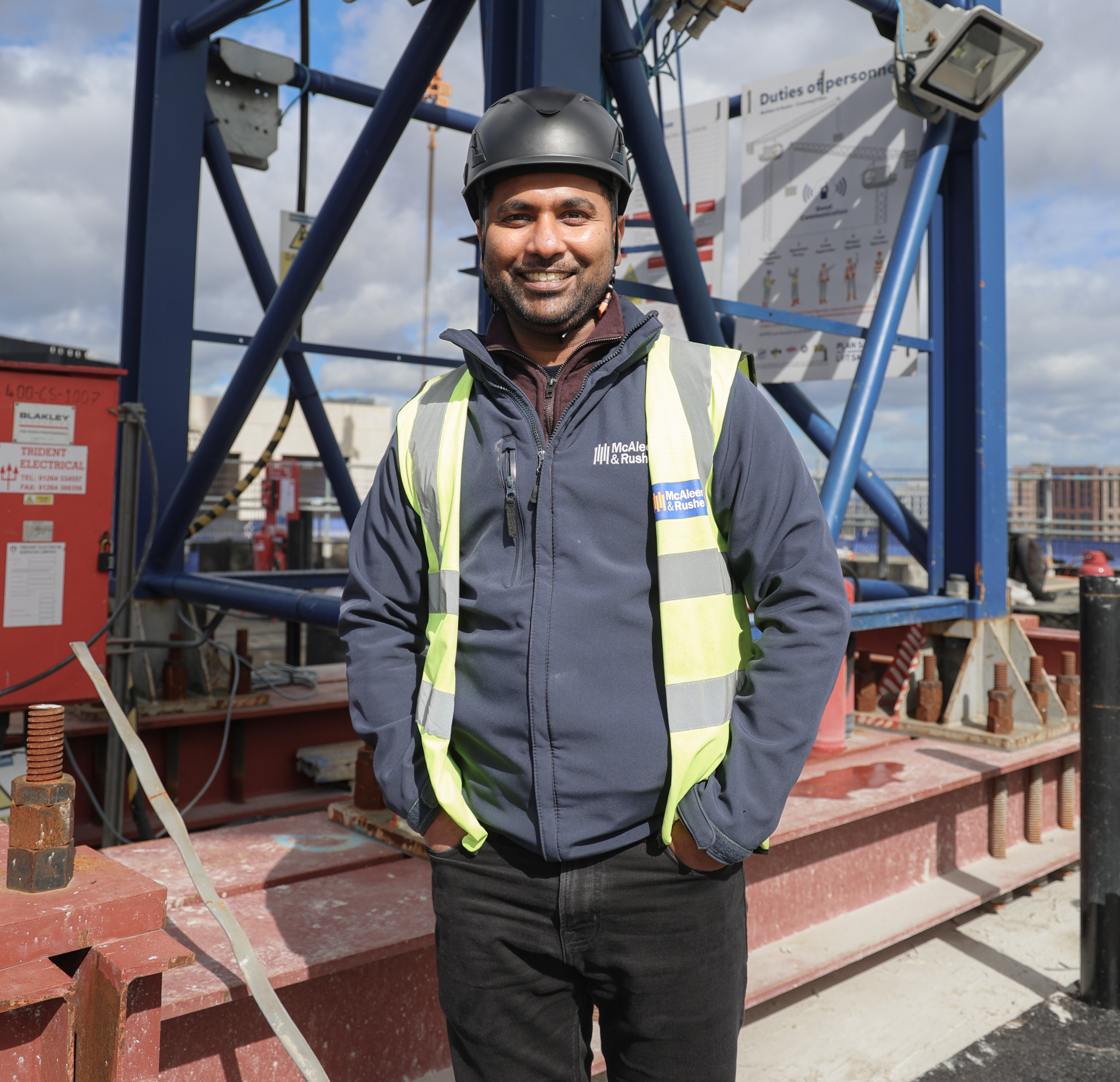
I grew up in Jaffna, Sri Lanka. It’s a beautiful place, but when I was a child, we didn’t have the freedom to enjoy it. Because of civil unrest, electricity and infrastructure was often disrupted.
I still remember when I was a kid – five years old, my mum took me from the nursery to my house, and then I saw a train. That was the last train.
My mum kept saying, ‘That’s the last train between Jaffna to north to south’. And then because of the war in 1991, they disconnected everything. No power, no trains, no fuel…nothing.”
For most of my childhood, there was a war between the Sri Lankan Army and the Liberation Tigers. There were regular attacks – bombing and shelling – that interfered with everyday life and my schooling. I often had to stay at home.
It wasn’t that easy growing up there as a young kid, and then, in 1996, when I was nine years old, there was a massive displacement.
“I still remember when I was 14 years old, we were crossing a big, desert-like area, because we were stuck in one part of the fight, so we needed to go to the other side. Whenever we would cross, we would wave a white flag, to say don’t shoot us. But still, somebody shot us. I still remember feeling the blood rush through my ear.”
Once I finished my A-Levels in SrI Lanka, my parents wanted me to go somewhere safer. They were scared that I would become caught up in the war. They said to me: “Just go somewhere.” I considered Canada and Singapore, but decided to come to the UK – you can educate yourself and get a job here.
In 2008, I came to the UK to study Civil Engineering. My brother’s childhood friend had moved here before me, so he looked after me when I arrived. He collected me from the airport and let me stay in his apartment. He used to work for McAleer and Rushe.
After I graduated, I couldn’t find an engineering job, so I joined McAleer and Rushe as a labourer. With guidance and support, I worked my way up the company. They sponsored my work visa until I was able to get British citizenship. Now, as a British citizen, I could work for anybody, but I still choose to continue working for McAleer and Rushe. I like working for them. It’s a great company to work with. I’m grateful for the opportunity.
Photo: TC Deacon-Cole
Interview: XXXXX
Martin Rudzinski
Carpenter and Site Supervisor
Contractor for McAleer and Rushe
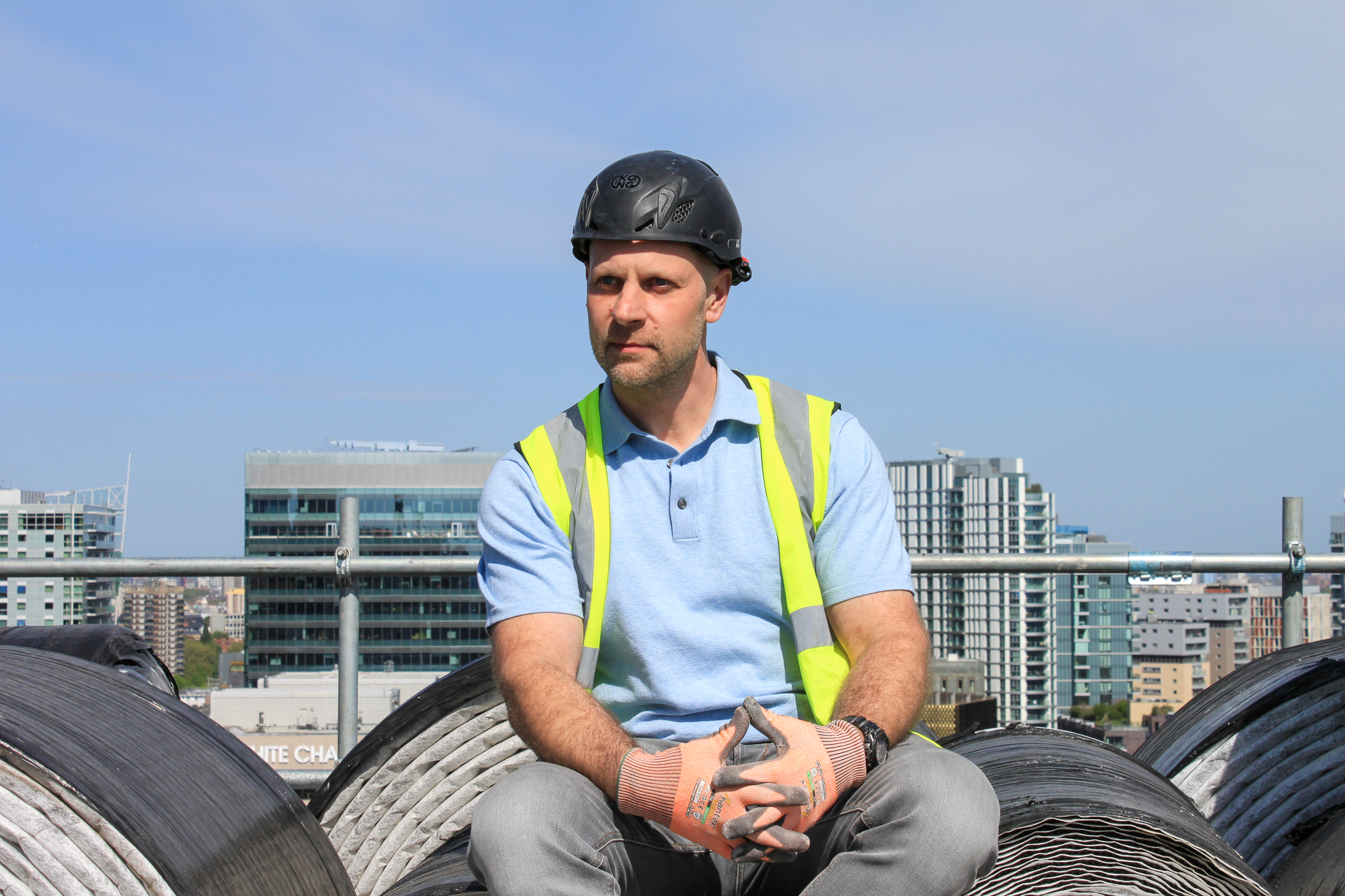
My grandfather was a farmer; my father an engineer. Dad is retired now, but he took over all the land that granddad gave to him. Most of the land is leased to other farmers, but he’s kept three hectares – he calls himself a hobby farmer now. As a child, I did a lot of farming, going to the woods and cutting down trees, and we did a lot of hunting. My parents’ house is on the outskirts of town, so if you go to the garden, it’s just endless, endless green.
I came to the UK 22 years ago, on a two-month break from university. I had a few friends that were already here, and they encouraged me to visit them during the summer. It was also an opportunity to earn extra money – I met my current employer on a building site. I was a labourer at the time, and he saw something in me. We just called it, and that’s how our adventure started.
The first week was just funny; I couldn’t understand 80% of what people were saying. I had studied English before coming, but honestly, I was getting used to the accent and all that stuff. It took me a week or so before I could properly understand what’s going on.
“I believe it was my first, maybe second week at work, they asked me to dig a hole. But the manager who was instructing me to do so… He thought I didn’t speak English at all, so he was illustrating the job to me. So, he said, ‘Dig – a hole – under the kerb!’ And I took it very, very seriously. I literally dug a hole that a human being could squeeze through. And it took me like half a day in this scorching sun, and when he saw it, he just burst out laughing. It was supposed to be a hole just for a little cable. So that was a bit of a story – a laugh, afterwards. I think that’s the one I’ll never forget.”
Now at work, I am mostly overseeing what’s going on. I have completed quite a few interesting projects over my career. I have built student accommodation, facilities, and libraries – we did all the fitouts, including huge staircases, all solid old timbers, olive wood panelling, acoustic panelling, bespoke panelling. This is nothing like what you can go and buy in the shop. Our work has won awards!
There are many things I miss about Poland – the smell of fresh-cut grass; the smell of bonfire. Those are the things from my childhood. Every time I go to see my parents, I always volunteer to cut the grass – I just love it. I also like the smoke of the two-stroke engines. Because as a child, we always had a little scooter or a little motorbike at home. Those are the things that really remind me of home.
I now have an 11-year-old daughter. We go to Poland at least once a year with her, and we always stay with grandad. In London, she also attends a Polish school on the weekends, just to stay connected with her language and culture.
“We spend a lot of time outside because my daughter wants to learn what I was taught when I was a child, like going to the woods and finding little animals. And she’s kind of into it. I’m trying to pass the knowledge as much as I can. We do a lot of fishing. We go sea fishing. Very often, we go lake fishing with her. She really likes that as well. She’s not really into watching telly and YouTube or whatever. She wants to go out, so I’m happy about that.”
Photo: Tess Shuton
Interview: Yii-Jen Deng
Nate Xu
Assistant Development Manager
Dominus
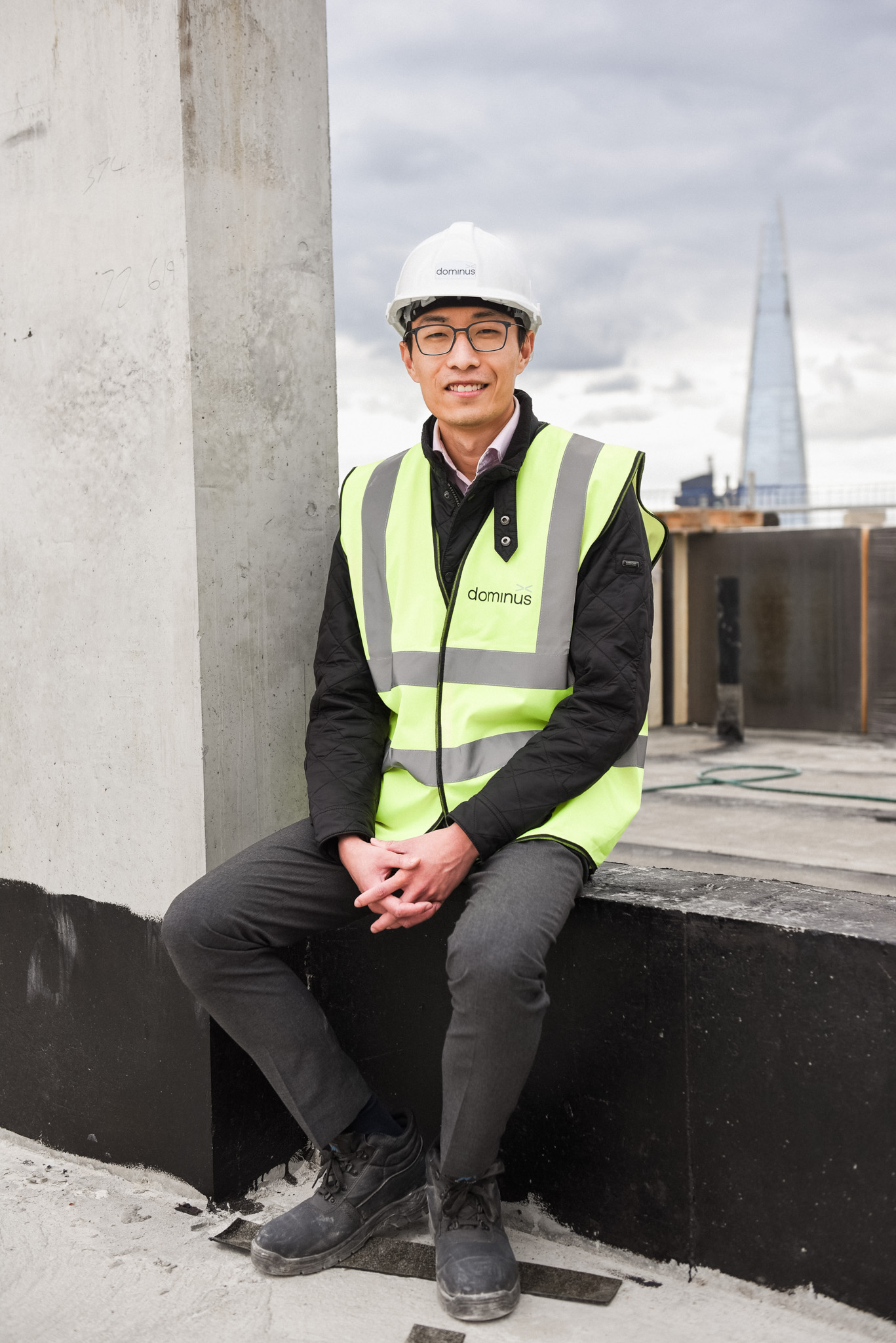
I chose to study civil engineering because of the American TV series, Prison Break. I loved it. The main character, Michael J. Scofield, was an engineer attempting to free his brother from prison – that was the first time I’d heard of such a career. I used to watch this programme when I was still in China, and eventually moved to the UK when I was 17.
My memories of Xi’an are from when I was a little kid in high school. It’s a big city – you see people everywhere. It’s more laid back than London – you see a lot of people just by the street relaxing, playing card games, chatting. Quite a relaxed environment. That’s what I remember.
My mum migrated to the UK first, so I stayed with my grandma for a while. Eventually, my mum brought me over for a better life and opportunities. The plan was for me to learn English and go to university here.
I first arrived in Tonbridge, Kent in the late evening. I remember the streets being very quiet, which was really different from Xi’an. I got a kebab that night. Never had a kebab before, but that was really nice!
Everyone was quite friendly when I started school – even the headteacher was trying to support me – because they all knew I didn’t speak any English. I could only do A-Levels when I arrived. A-Levels are normally two year programmes in the UK; I did three years, because my first year was just trying to learn the language.
When I graduated from school, I was even in the local newspaper – everyone was really proud. When I first started, I didn’t know English – but I managed to get into university.
“When I wrote my university application, I remember that there was one sentence that said: ‘I will be delivering buildings that will change the skyline of the city.’ I think I’m already doing this at work – it’s really exciting to actually stick to what I said in my application. I’m really proud of it.”
My day-to-day role at Dominus is to make sure that the delivery of the project is working smoothly towards handover. For me personally, I will have to go into each room of every building and start looking through any defects, raise it with the main contractor, making sure we deliver the best quality.
I am now quite settled here – after I graduated from university, I really thought: “I want to go back. I want to go back.” But my mum convinced me to stay here for another three or six months – just to see a little bit more outside of university. And so, I just stayed on and on. Found a job, got to know my wife. After kids, I just got a better job.
My wife and I were initially worried about our children going into nurseries and schools without knowing much English. We first spoke with them all in English, which we shouldn’t have done. Everyone else told us you should just speak Chinese; they will learn English eventually, from school, from nurseries. Now they don’t really speak any Chinese. So, their mum recently got them signed up for Chinese lessons.
I think language is a big part for them to understand where they’re from and their cultural background. I’m going back to China with the kids next month. It’s the first time my dad and the rest of the family will be seeing them.
Photo: TC Deacon-Cole
Interview: Dylan Stevens
Nathan Cooke
Project Manager
McAleer and Rushe
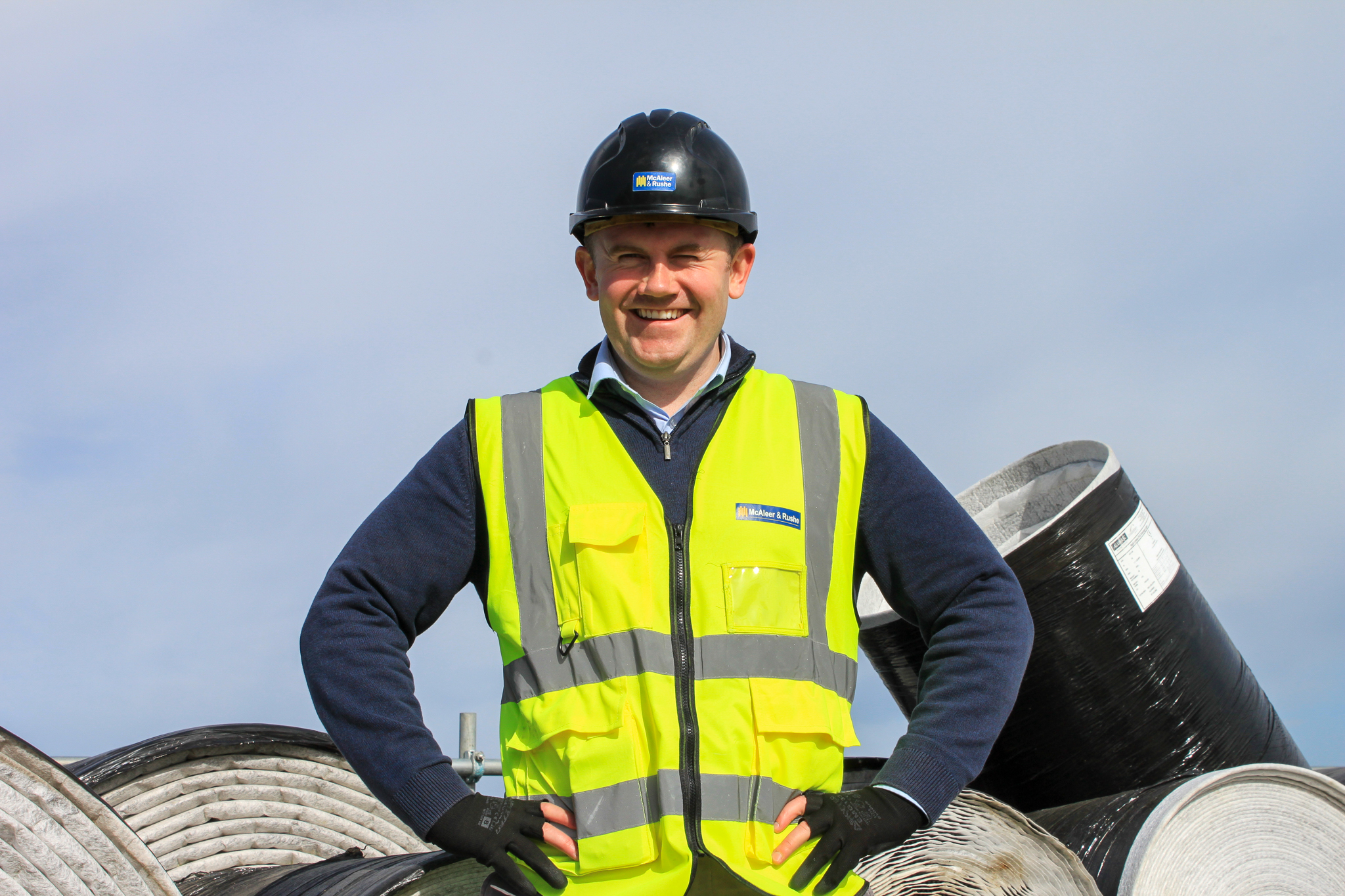
When I first arrived in London, I was terrified. I remember taking the Metropolitan Line from Central London to Wembley, and it was going so fast – passing building after building after building. I’d never seen anything like that.
I’m from County Galway, Ireland – along the coastline, with lots of beaches. It’s very rural in some parts. I grew up with a lot of culture and tradition around me. Between beaches and green fields, and walking down the streets in Ireland, you can hear a lot of music.
Growing up in a rural area, lots of people around me were farmers. Anytime I went to the city, I would see large construction sites. I always wanted to work on those or have some involvement in them – to be part of these massive structures. I went from college to university to study Construction Management and Project Management so that someday I could be working on buildings I could see rising above the ground when I was younger.
As soon as I graduated in 2019, I moved over to London.
“There’s so much work going on, particularly in construction. You can see, looking out any window, all the cranes going up in London. They’re all big developments, so there are plenty of opportunities for work.”
Although I have now got used to living in a busy city, getting on the Tube at seven in the morning with thousands of other people is a challenge. I have an Irish community here – I connect more with my culture living in London than at home. I’m now more interested in Gaelic football and hurling!
When I first started working with McAleer and Rushe, I was told about the Migration Museum development. This was a big draw for me to get involved. If I move home in a few years’ time, and if I have kids, I’d like to be able to take them to London for a trip. I’d be able to take them into the museum and show my family the building from the inside. I would show them the work that I was heavily involved with for the construction phase, and get it to where it was and where it needed to be.
Photo: Tess Shuton
Interview: XXXXX
Terry Nzurike
Health and Safety Officer
McAleer and Rushe
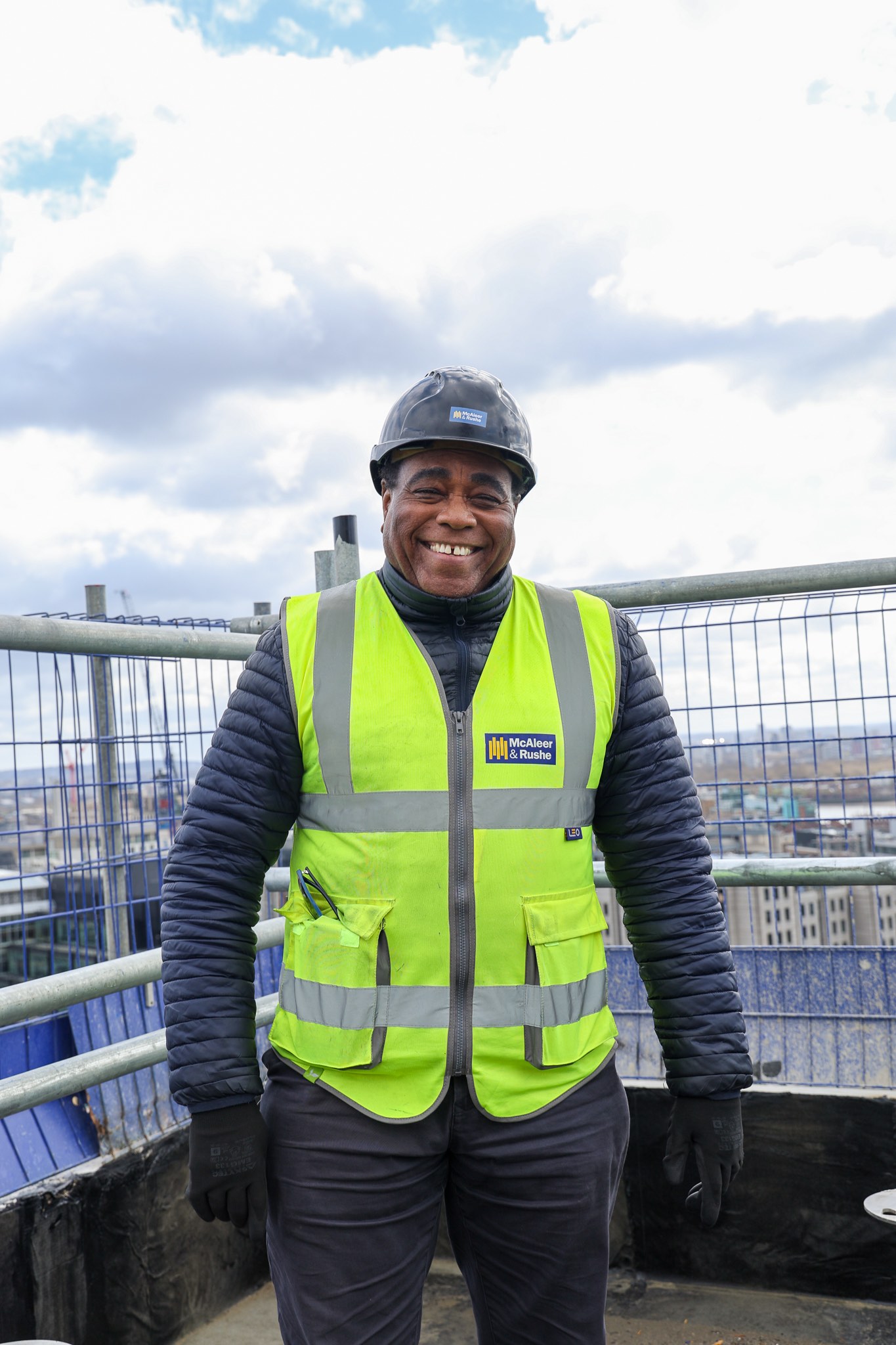
My father left Nigeria in the 1960s – he was a young ambitious man that came to London to study engineering. He and my mother settled in the UK and had me. During this time, there was a civil crisis back home. Once the war was over, my father heard his mother’s voice calling him back.
We went back to Nigeria when I was nine years old. I spent my childhood there and completed law school. It was a wonderful experience. I grew up there, made friends there, and studied the culture there. My dad was very strict with us, because I am the first son.
He said: ‘You need to know where you are coming from originally, that after your first degree, you can go back.’ And he lived up to his promise.
I was keen to return to London after graduation, and dabbled in construction work when I arrived in 2004.
“Coming back, I had to synchronise the cultures. I left the UK when I was pretty young, it has helped me in terms of looking at life generally. I can always relate with those back home and relate with those over here. It increases and enhances your wisdom in how you face life.”
I had developed as a grown man in Nigeria, so coming back here meant starting from the fundamentals. You have to get yourself into the system. My sister had come before me, so I stayed with her for about six months. Then I started to do my own thing, until I brought my wife over. It was not easy, but I passed through that phase and learnt a lot, and here I am today.
I have now been working with McAleer and Rushe for 18 years – and helping to build the Migration Museum for the past two and a half years. It has been an interesting and exciting project. My average day can be hectic – I induct 10-15 workers on a daily basis. I check in on compliance throughout the day and ensure everyone follows the health and safety procedures.
I am proud of the work I do. At the end of the day, after my inductions, I want everybody to go home safely. I don’t want to see the gory sight of blood on my site, and I do not wish one of us enemies. That is why my inductions are very, very thorough.
Being a dual national means that the UK is home to me, but that Nigeria is home too. I tell my children that you have to know your origins and the way of life, and try to synchronise it with where you are presently.
Nigeria has a rich culture. There are good aspects, there are bad aspects. Take the good aspects, utilise them properly. It’s just like here, not everything is rosy here, but take the good aspects. It will help you in life.
Photo: Tess Shuton
Interview: XXXXX
Lal Chandra Rai
Carpenter and Site Supervisor
Contractor for McAleer and Rushe
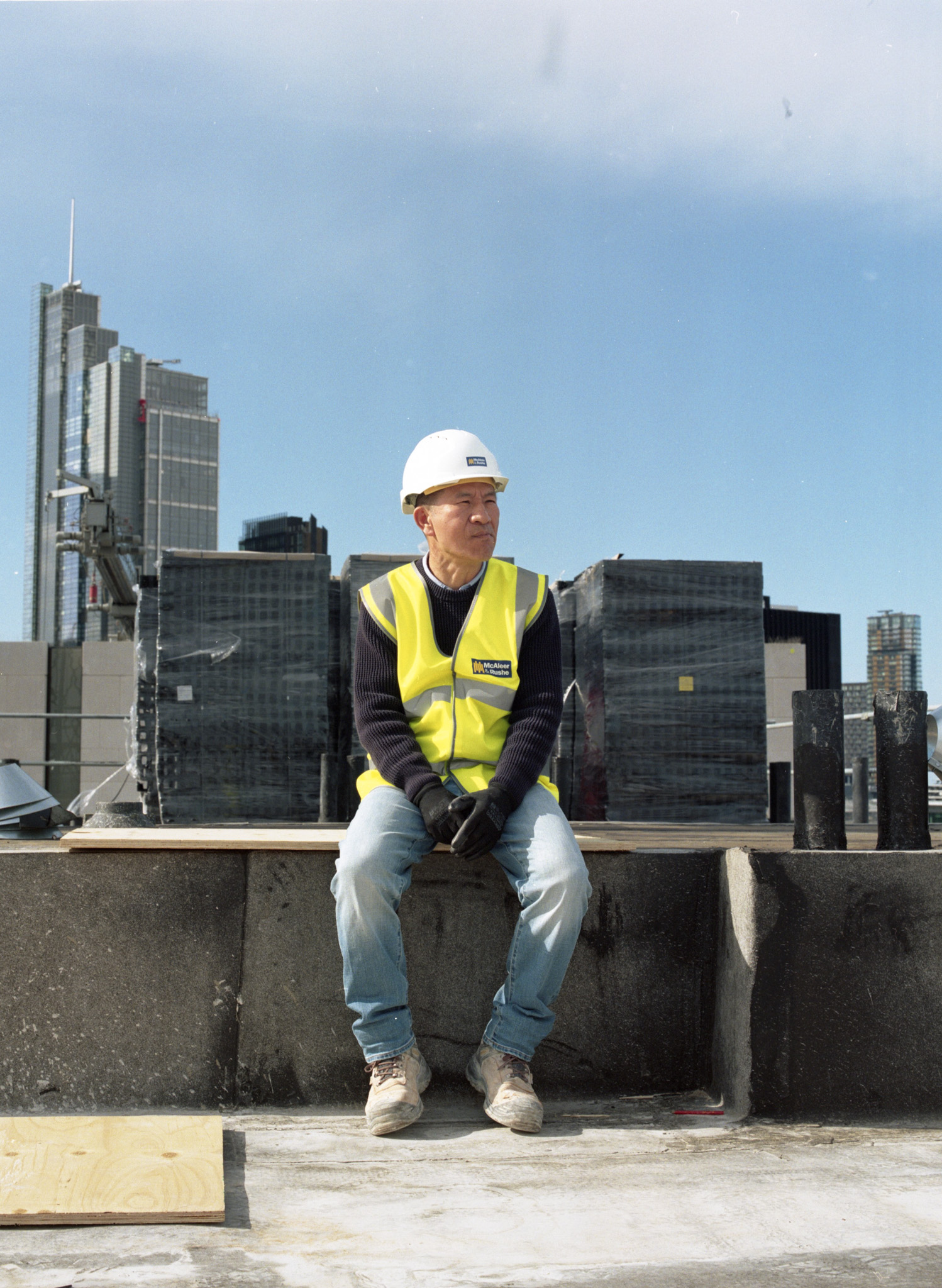
My father served the British Army for 26 years, stationed across Singapore, Malaysia, Brunei, Hong Kong, the UK, and parts of Africa. He would come home and tell us stories about fighting in Malaysia’s dense jungles, where even at midday it was as dark as midnight, and soldiers had to walk on their toes so the leaves wouldn’t make a sound.
“If you smoke, the enemy 100 miles away will see the smoke, and they will follow.”
The orders were simple: shoot anyone who approaches, no matter who. One night, soldiers from the same company lost their way and wandered too close. Neither side knew. Both opened fire. My father survived, but his friend beside him didn’t. I found those stories fascinating. I tried to join the army myself, it was competitive, but many of my family members enrolled.
As a Nepalese Gurkha soldier serving in the British Army, my father was able to settle in Hong Kong when it was under British colonial rule. I was born there, grew up there, learned Cantonese, and spent over 25 years working on construction sites, picking up welding, scaffolding, painting, carpentry, machinery operation, and almost every trade there is.
I was entitled to a British National Overseas (BNO) passport. In 1996 or ’97, I went to the British Consulate in Hong Kong and exchanged it for British citizenship. I kept the documents safe, not quite knowing when I might use them. After the handover to China in 1997, things slowly started to shift. The agreement was one country, two systems. One by one, Hong Kongers started moving to Australia, Canada, America, and the UK. I was one of them.
Hong Kong was a very nice country, very peaceful, and had very good facilities. But now it’s different… changing.
I first came to the UK in 2007. My English was basic, so my first job was at a Chinese supermarket called Loon Fung. But after six or seven months, I had to return. My youngest son was only three years old, and my wife’s salary alone wasn’t enough to meet Hong Kong’s income requirement for hiring a domestic helper. So I went back, we combined our salaries, and I carried on working in Hong Kong.
I then came back to the UK in 2021, alone at first, finding a room and getting settled. Coming from Asia, from a hot country, the climate was one of the hardest things to adapt to. For the first year or so it was difficult. Now it’s not 100%, but just okay.
“UK’s winter is very, very bad. Summer is good, but summer is short. Winter is longer.”
My family joined me in 2023. When I arrived at my current project with McAleer and Rushe, the old building was still being demolished. The site managers noticed my work, and I moved up from labourer to skilled labourer, then handyman, and now carpenter. I helped fit out the very office where this interview took place: the painting, the furniture, the television, the carpet, all of it.
Coming to the UK meant starting from zero. Skills I had built over decades in Hong Kong, welding, operating machinery, are not automatically recognised here. The courses take months and cost money I couldn’t spare. So I began again as a labourer and worked my way back up.
The work is long. I start at 7am and often finish well past 6pm, sometimes as late as 8 or 9pm. I still have to rest and spend time with my family. But I have always just kept going. On Sundays, if we get a day off, I take the family out for breakfast. I am very active – I go jogging whenever I can, even now!
My wife is Filipino. I met her on a work trip to the Philippines, sent there because I spoke enough English to manage a construction project. We have built a life across three countries: we bought a house in the Philippines, one in Hong Kong, and hopefully we will buy one in the UK too. My youngest son is 19 years old and living with us here. He is thinking about learning a trade rather than going to university. I told him: “You are big enough. Do what you like, but don’t go the wrong way.”
Photo: TC Deacon-Cole
Interview: XXXXX
Zoe Huang
Senior Development Manager
Dominus
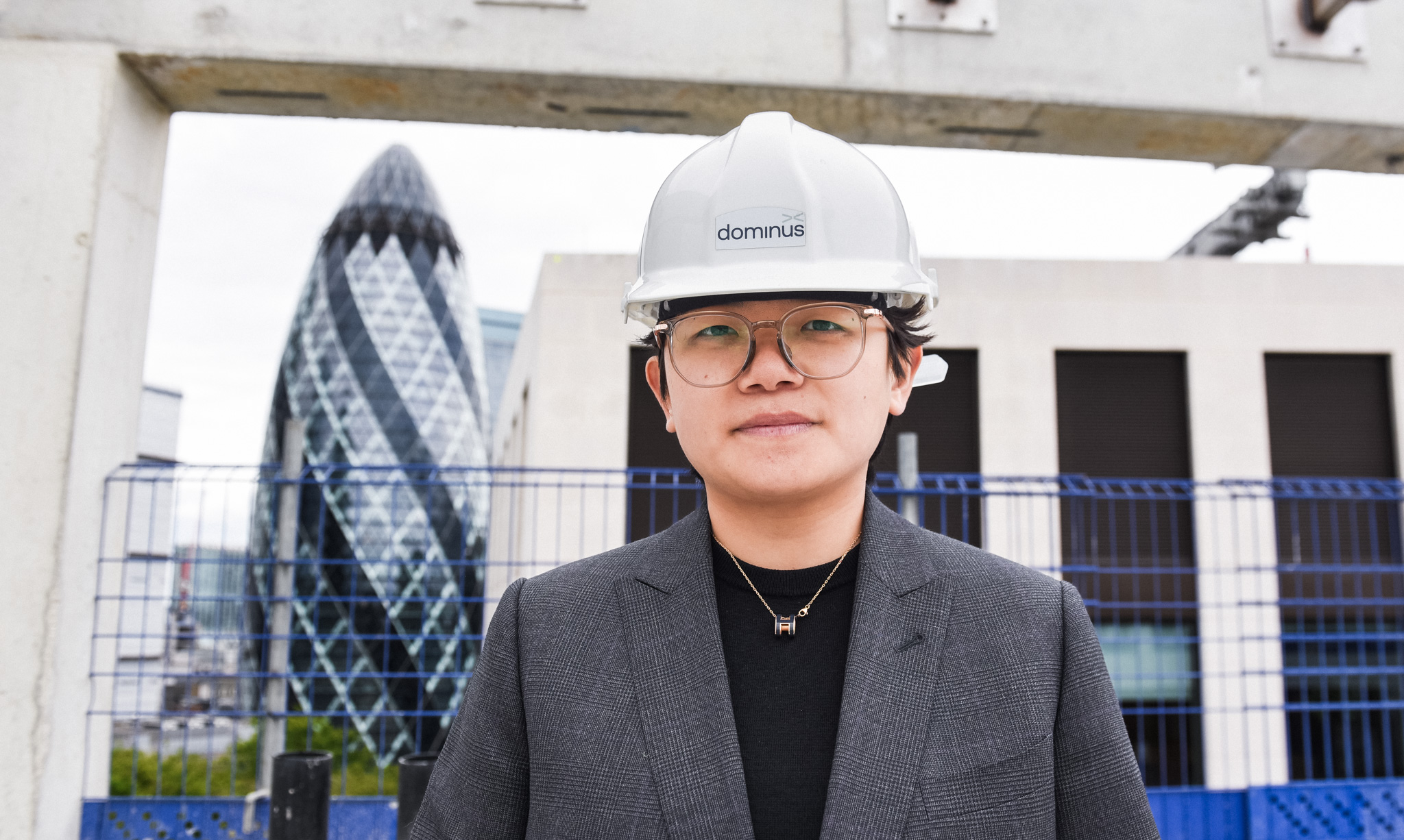
The construction industry was something I always wanted to get into. When I was in middle school, the Wenchuan earthquake impacted tens of millions of people in China. It was a shocking thing for me – and it planted a little dream in my heart to build very safe buildings.
When I finished my undergraduate degree in China, I thought I should go to a country that would further develop my skills. I decided the UK would be my best choice, as it is very inclusive and has one of the most mature planning and development systems in the world.
I’ve been in this industry for almost 10 years now. Almost every single summer, I’ve worked on student accommodation projects. Whenever I see those young international students, I remember myself 10 years ago:
“I felt super free, like full of freedom. And it’s very, very exciting for the future. I just felt – I think I never had that feeling before. It was totally a new feeling about the new world, new architecture, the people here, buildings here, language here. It’s totally different. It’s a new chapter of my life.”
I studied at the University of Manchester and got my first job in Birmingham, but I didn’t feel like I could settle down there – I hadn’t found the feeling of a long-term home yet. When I was working in Manchester and Birmingham, I was often the only one in their twenties and the only Asian in the office. I felt that my team members didn’t fully understand where I was coming from.
My first three years in the UK were very challenging. As an only child, I am close with my family, so the distance was not easy. During the Covid-19 pandemic, I couldn’t go back to China and my dad’s health was not good. I even thought: “Should I stay here or should I give up and go back to China?”
I decided to come to London. The many international companies and investors in central London offered more opportunities and the city is very, very diverse. The biggest challenge I’m facing still is balancing my career here with my family in China. I’m travelling back to China two or three times a year, and hoping to get my mum here for part of the year too. I’m trying to build my life here to support my future plans, but I do like the culture and I do like my life here.
Bamboo is one thing that reminds me of my hometown. I come from Zhejiang province in China. Every spring, I would follow my grandparents to dig up bamboo shoots. Now that my partner and I are looking to buy a house in the UK, we have planned an area in our future garden to grow bamboo. We have a new cat and I think I have loads of things to look forward to.
Normally every weekend, I have at least one proper Chinese meal with my friends. Hot pot is a dish we all love very much. I also cook with my partner; sometimes Western food, sometimes Chinese food; I’ve made loads of dishes with a combination of the two. I remember one dish was a Chinese-style steamed sea bass with Western sauces!
I think I have grown up quite a lot since coming to the UK. I transitioned from being a student to a professional and had to learn to do things by myself. In the beginning, I didn’t feel so safe. I was worried that someone would see me and think, “oh, you are Chinese and you are a very short, young girl,” and that I could be bullied – and I did have some not so happy experiences.
But now I feel very safe and I feel more like part of the country. It is not until certain moments, you just realise. Before, I wouldn’t care if it was the Olympic Games. But, funnily enough, during the last Olympics, I would wonder, “Oh, how is the UK Olympic team playing?” and it was at that moment I realised: now I’m part of the team.
The Migration Museum was the first project I took on when I joined Dominus. They told me: “Zoe, there will be a museum in the building. It’s the Migration Museum.”
As an immigrant, I had never thought there would be such a thing as the Migration Museum. I found it very fascinating because I can help build something important. On top of creating happiness, I can even create a space to support migration history and culture here. So I feel very, very connected. I feel very special. I think this is one of the most special projects.
Photo: TC Deacon-Cole
Interview: Gillian Goh
Anupriya Rajpal
Development Director
Dominus
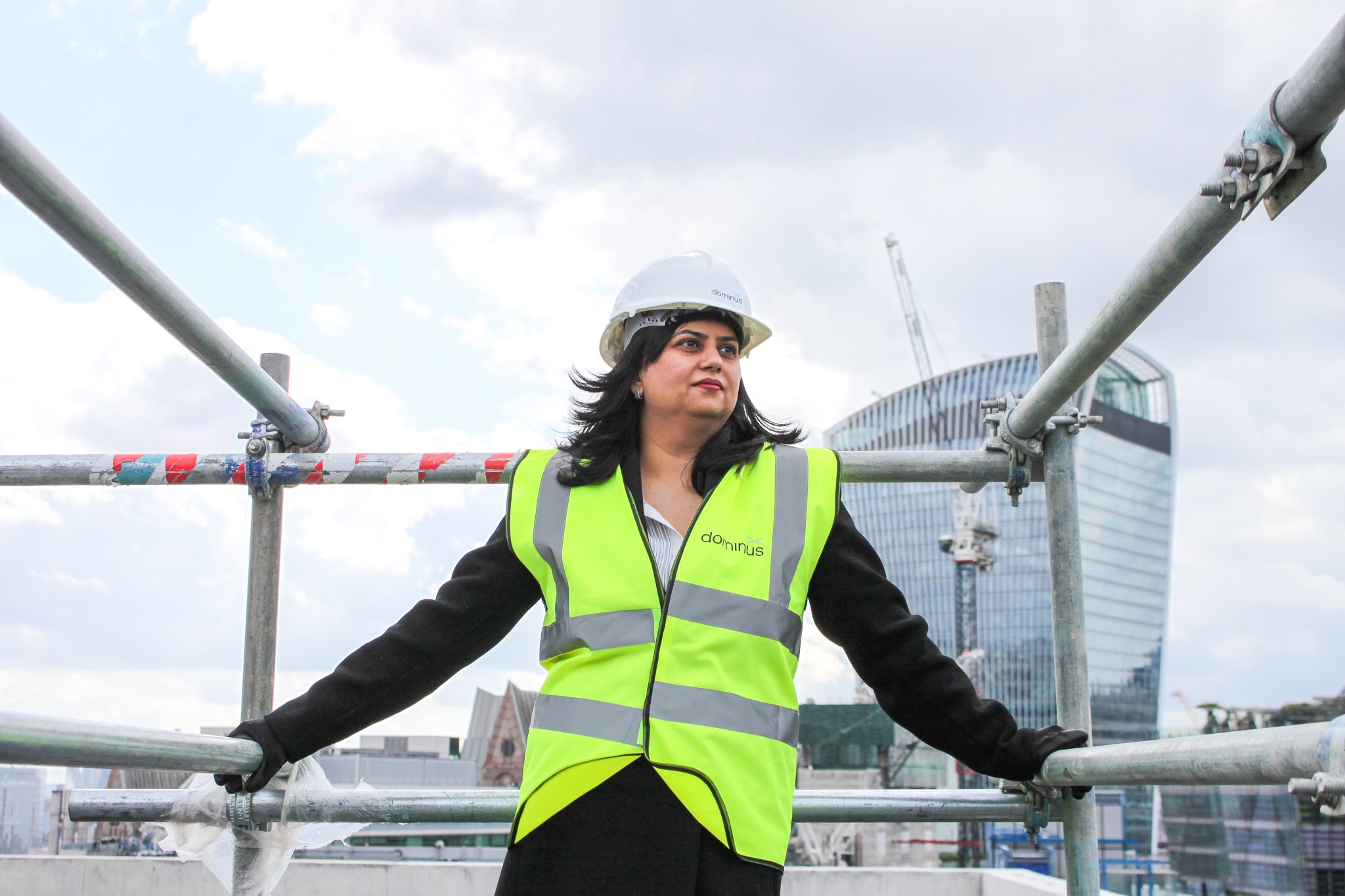
I come from a family of civil and structural engineers. Construction was a very natural dinner topic when growing up in India, and so I was always fascinated by the industry. I knew that I wanted to enter the same line of work, and got myself qualified and trained as an architect first, then progressed into a project management role, and later on into a development role.
I am proud of delivering buildings with purpose – the project we’re working on now will not only house students, but also the new Migration Museum venue. This is a building that I will be very proud of. What I love about what I do is that, once a building is complete, you can actually touch it, it’s tangible. Every time you walk past it, you look at it and say, “This is something I’ve created.”
I first came to the UK from India in 2007. I studied Real Estate Development and Investment at the University of Greenwich. When I graduated, I went back to India to work in the construction industry, then moved to the UK again in 2015 – this time with my husband and my daughter.
My daughter was one and a half years old when we settled here. Whilst my husband was busy with a new job, I had some time to meet new people. I did some online research and came across a group for Indian mums in the local area. Everyone had a shared experience of moving to the UK recently, and had children around the same age. We immediately connected – I now have a very strong circle of friends.
Although my network is strong here, it’s still very important for my family to take annual trips to India for my daughter to meet extended family members and explore the places where we grew up. We also watch lots of TV programmes together that teach our daughter more about her Indian culture. I’m grateful that she is connected enough that she speaks the language, understands the reasons behind the things that we do, and is very connected to the family.
We ensure to celebrate all cultural festivities – small or big – whilst in the UK. It’s a chance for our daughter to meet people with a shared background, and to connect with her roots. A few years ago, she wouldn’t have been comfortable wearing traditional clothes; she would feel a little embarrassed. Now, as we take her to more of these events, she’s meeting others that wear the same clothes with pride. She can now relate to them, and is starting to feel more comfortable in her own skin.
Photo: Tess Shuton
Interview: XXXXX